Case Study
Blast Radius is a card game designed around a single constraint: no matter how much chaos the game throws at you, you always have a move. Seven iterations and 30 playtesters later, it shipped as a 390%-funded Kickstarter product.
Role: End-to-end Product Owner (Solo)
Scope: 0 → 1 Product · Solo · Shipped
Impact: Validated demand with a 390%-funded Kickstarter campaign and successful multi-national fulfillment.
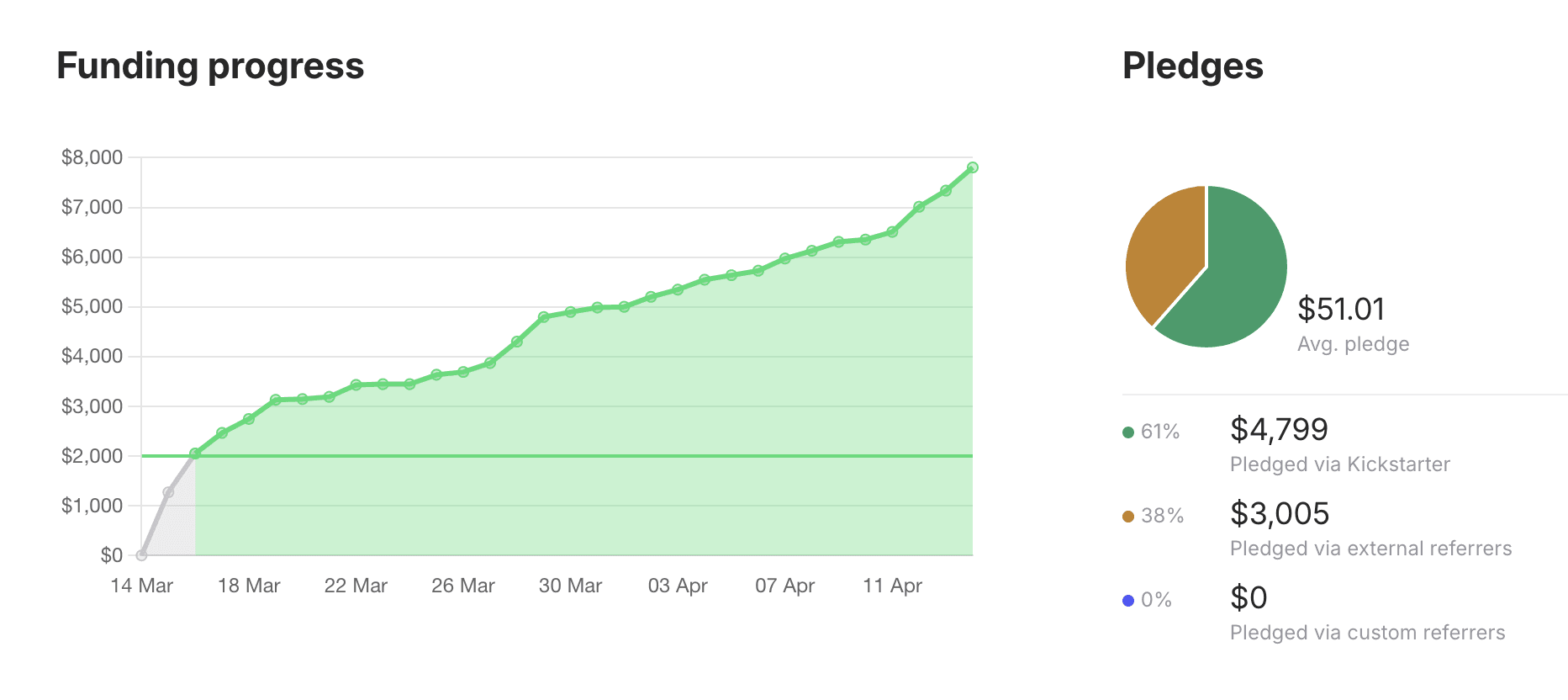
Blast Radius hit its $2,000 funding goal in 36 hours, closing with 153 backers and $7,804 raised across 16 countries. That result came after a first campaign fell short by nearly half, and a deliberate diagnosis of what went wrong.
Three things changed. Messaging was rebuilt around a confident, casually humorous identity that matched the game's personality. Pledge tiers were restructured to separate the core product from extras, with rewards like a signed deck and name in the rulebook creating real incentive to pledge more. And the branding was refined into a visual identity with a clear point of view.
The second campaign told a different story.

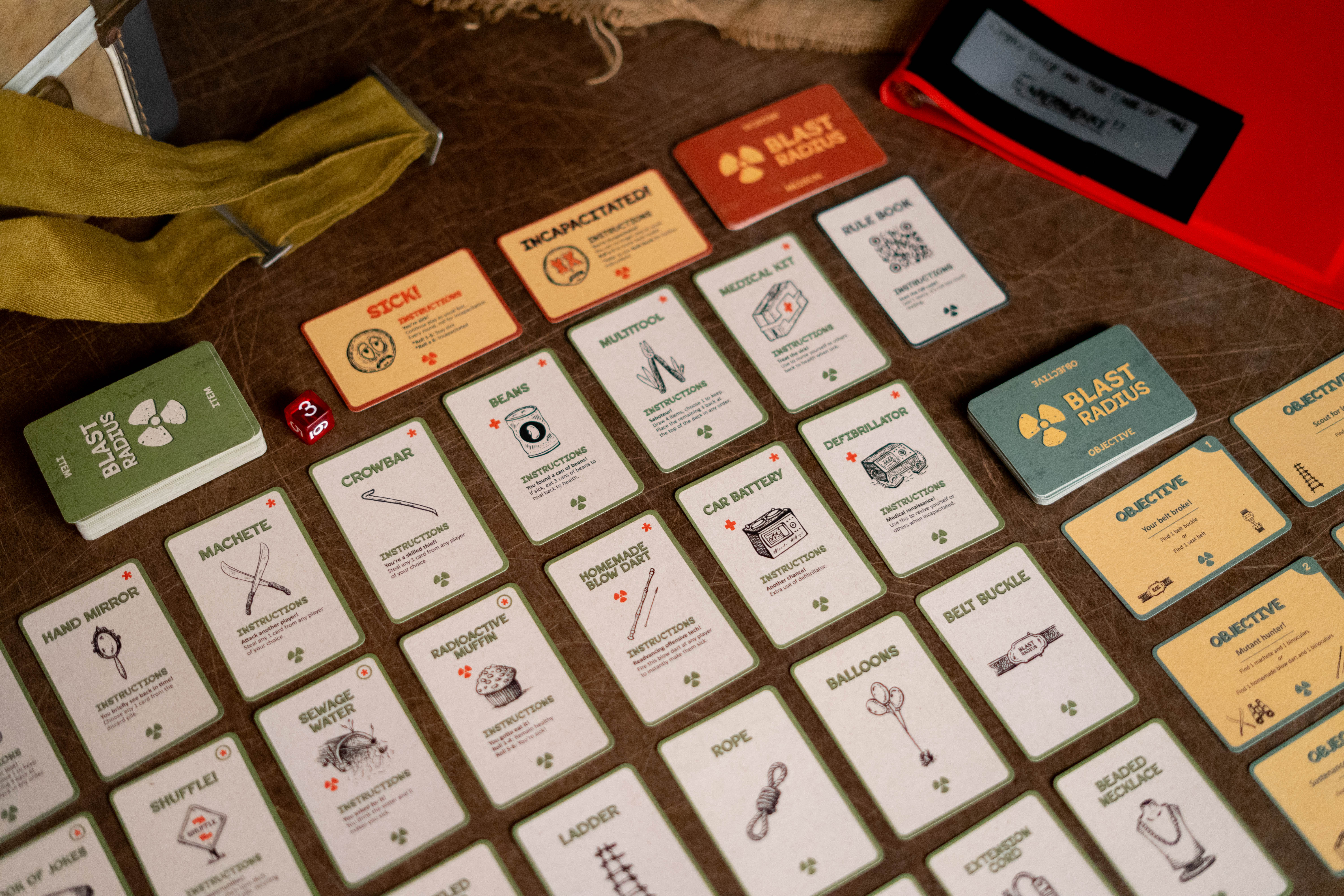
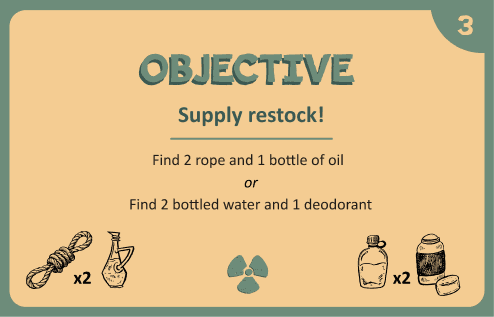
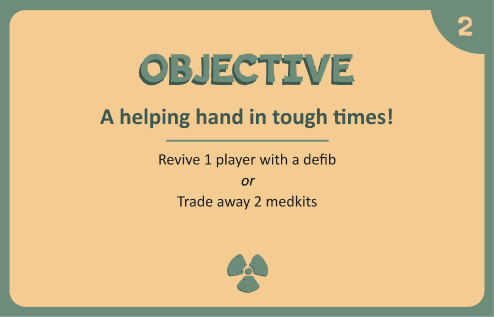
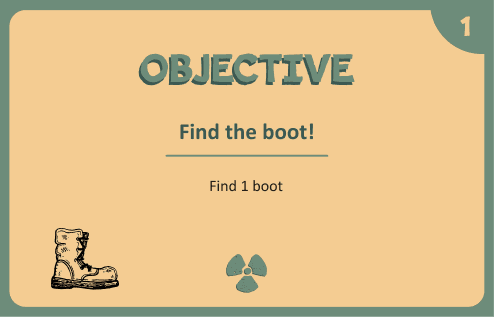
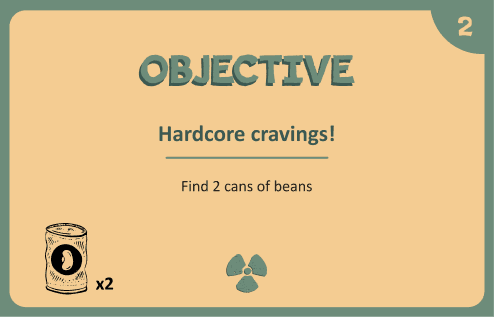
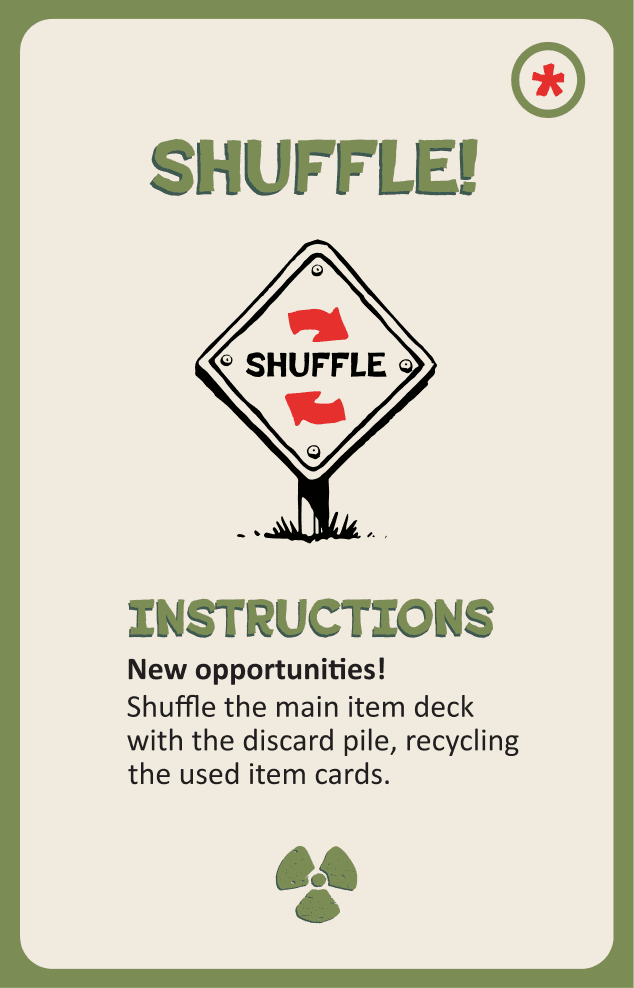
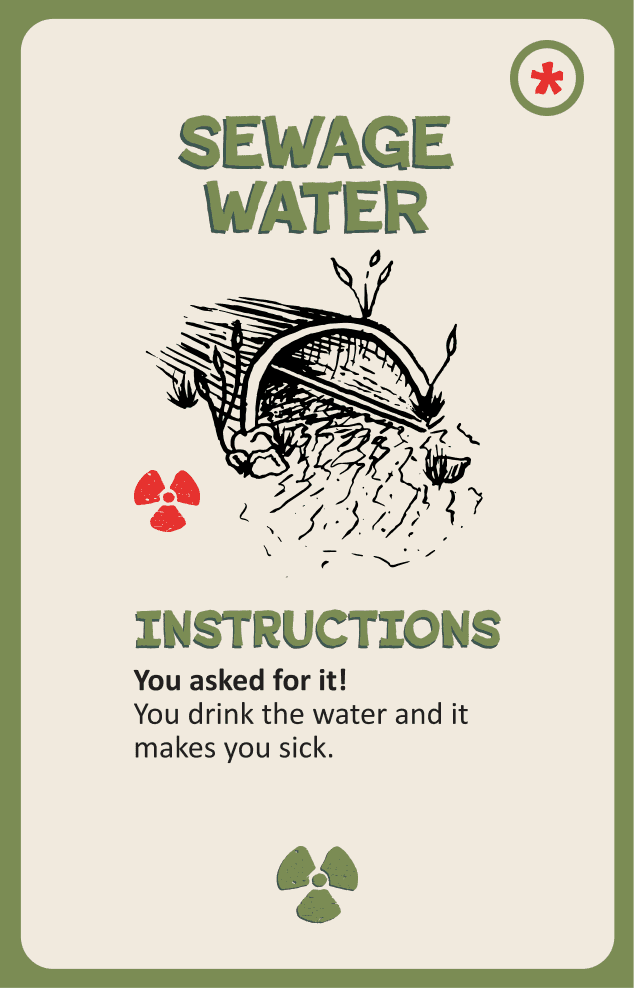
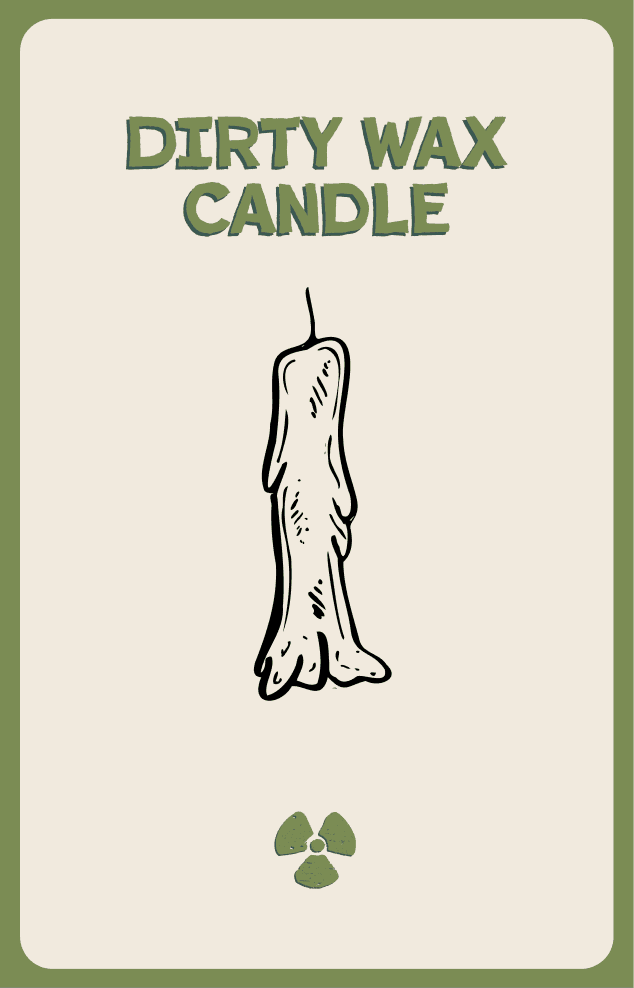
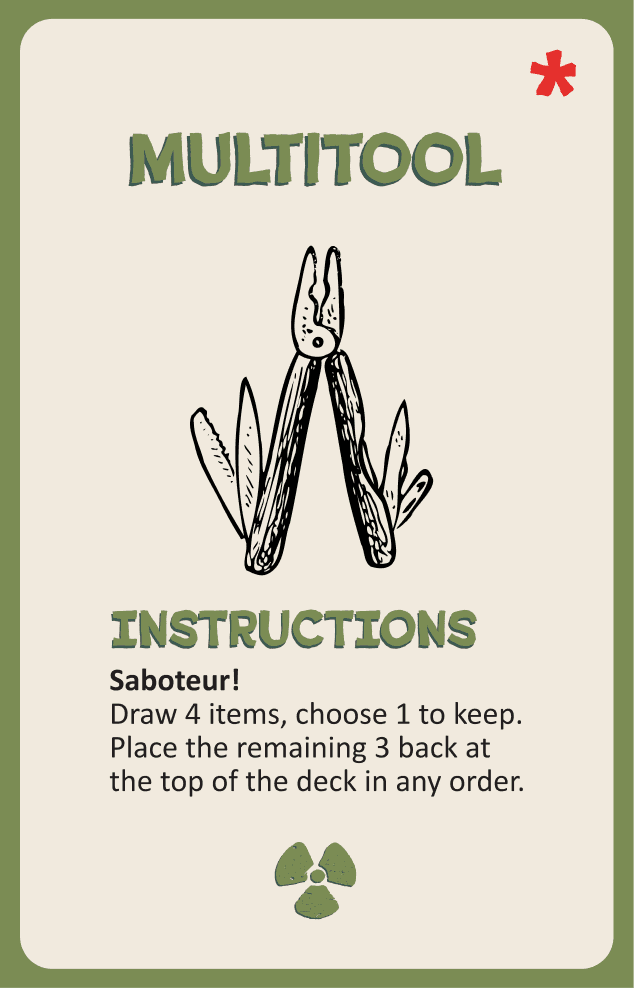
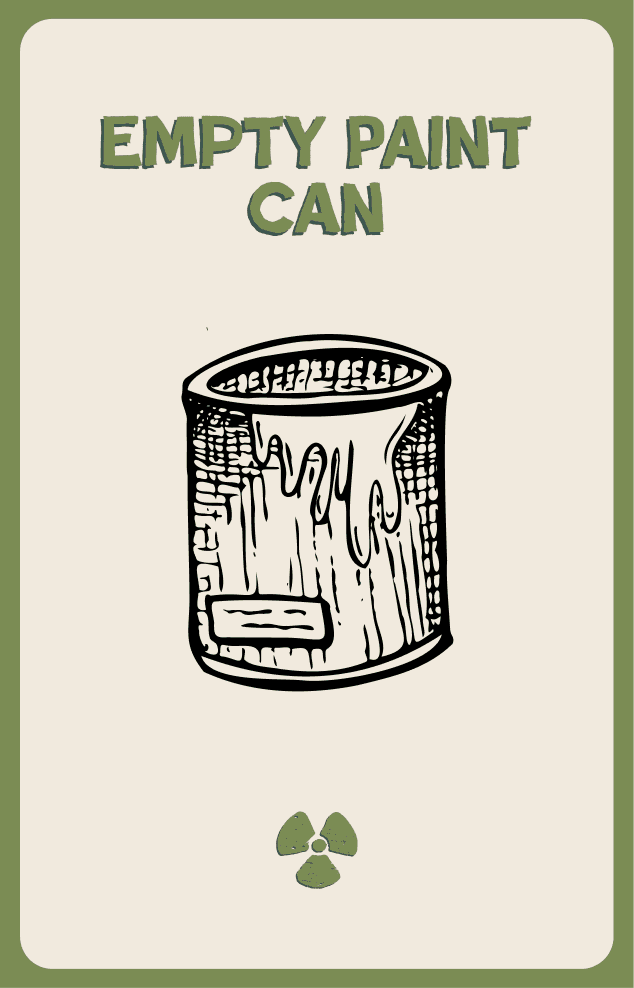
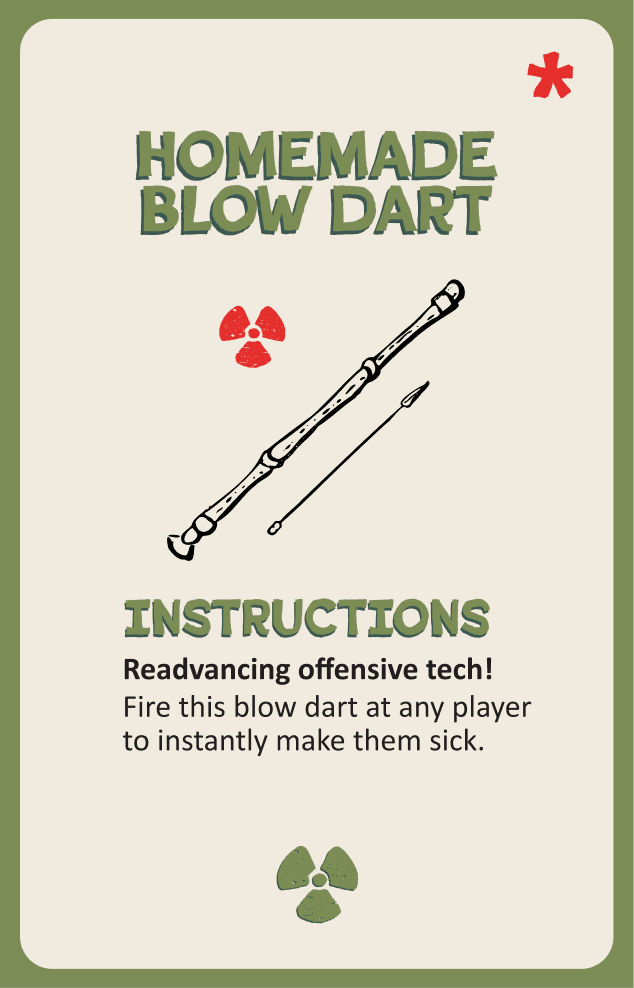
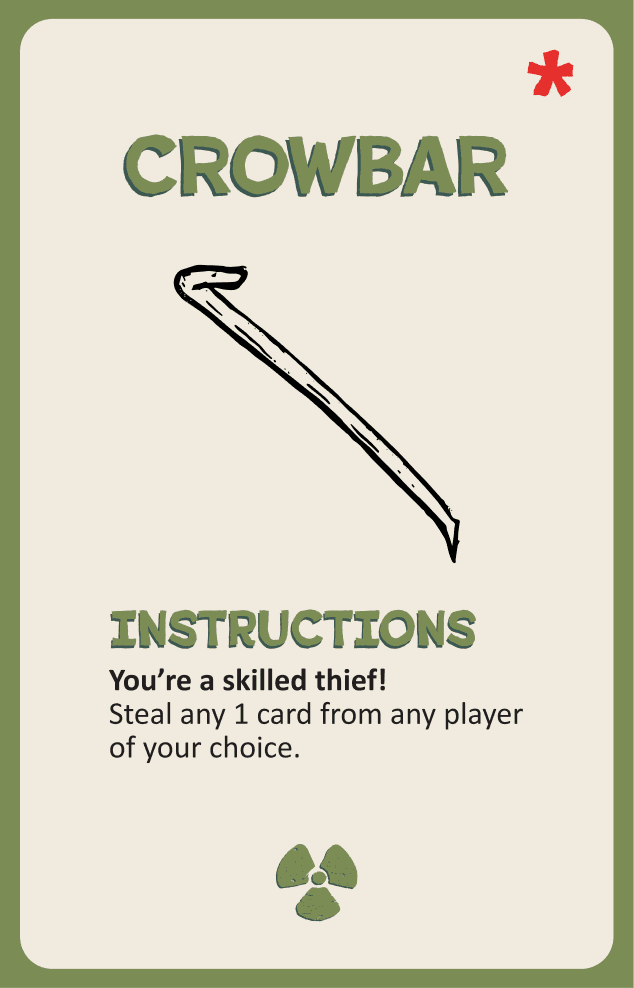
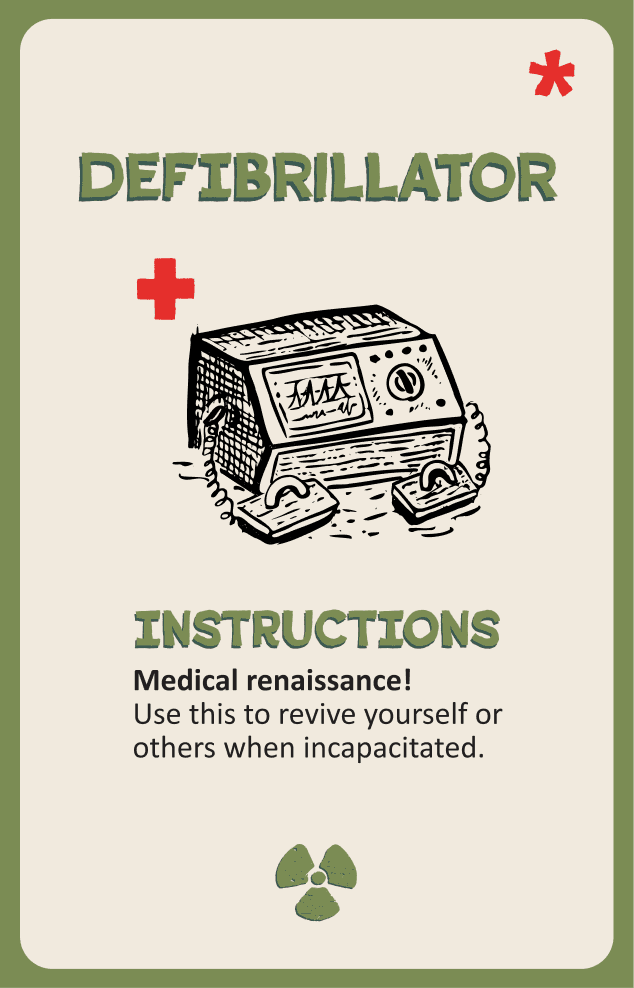
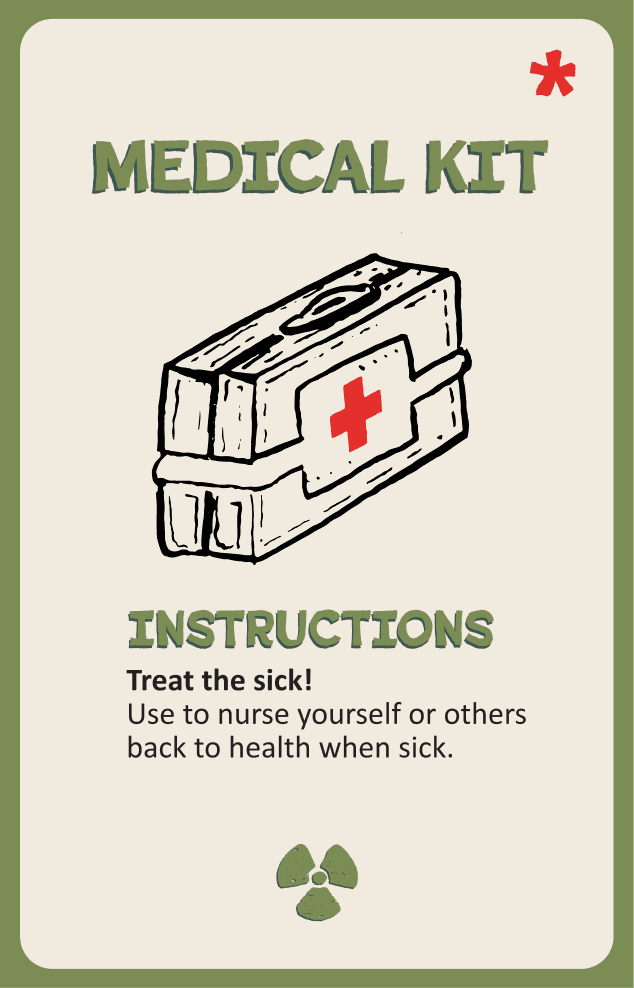
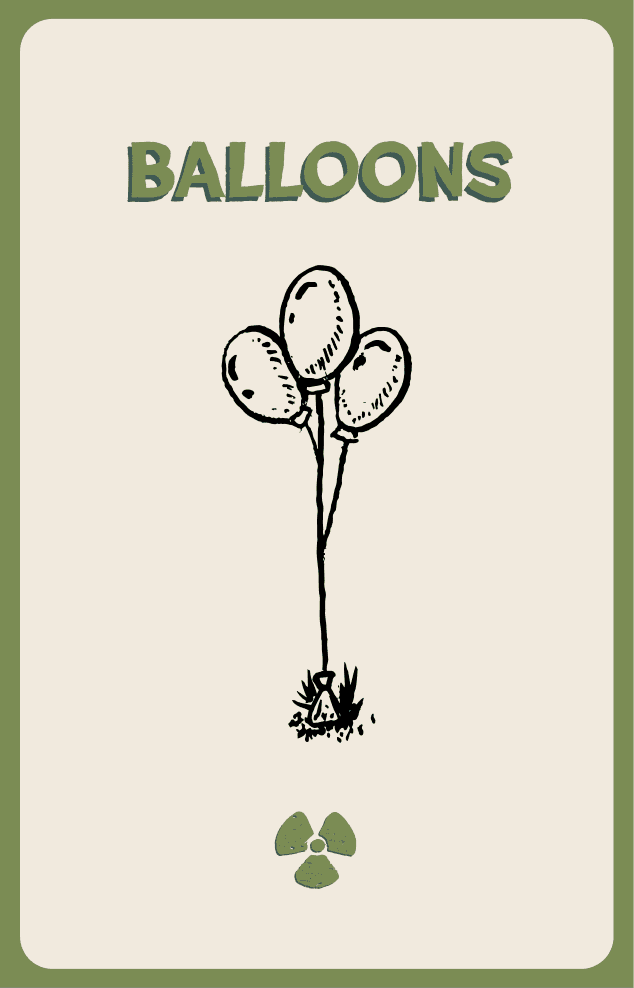
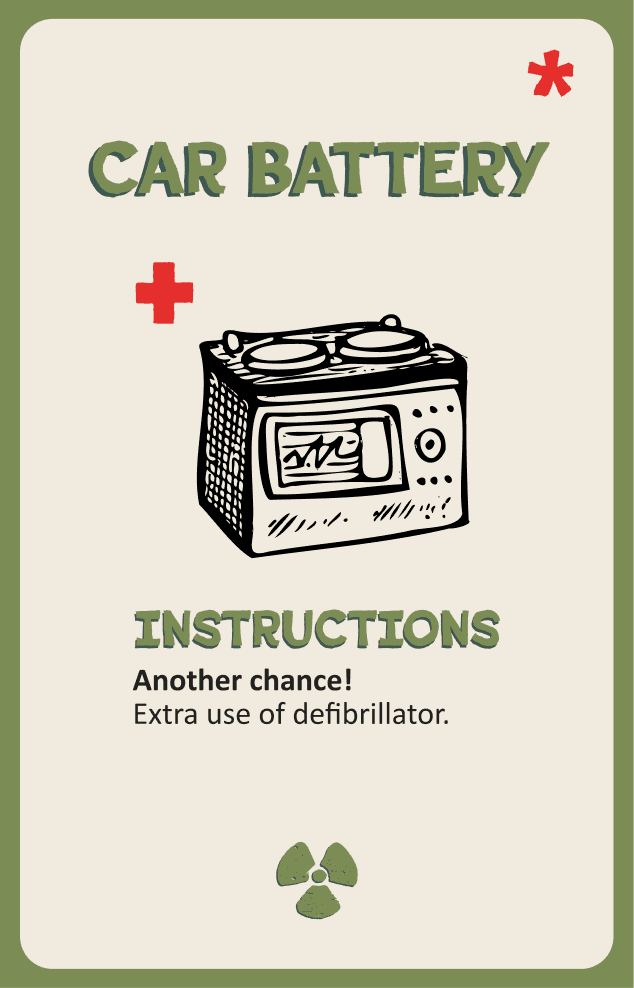
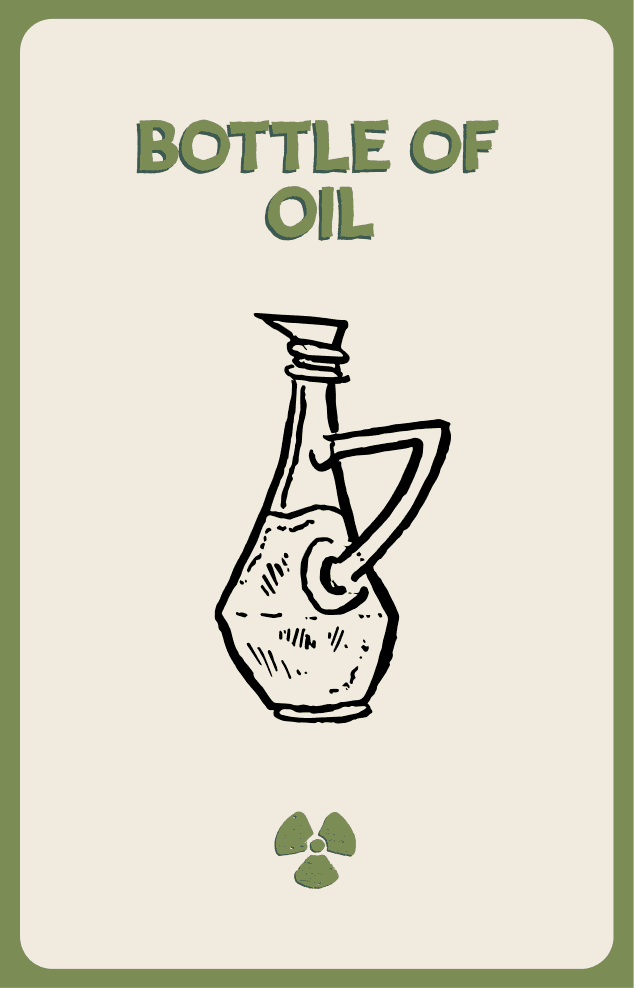
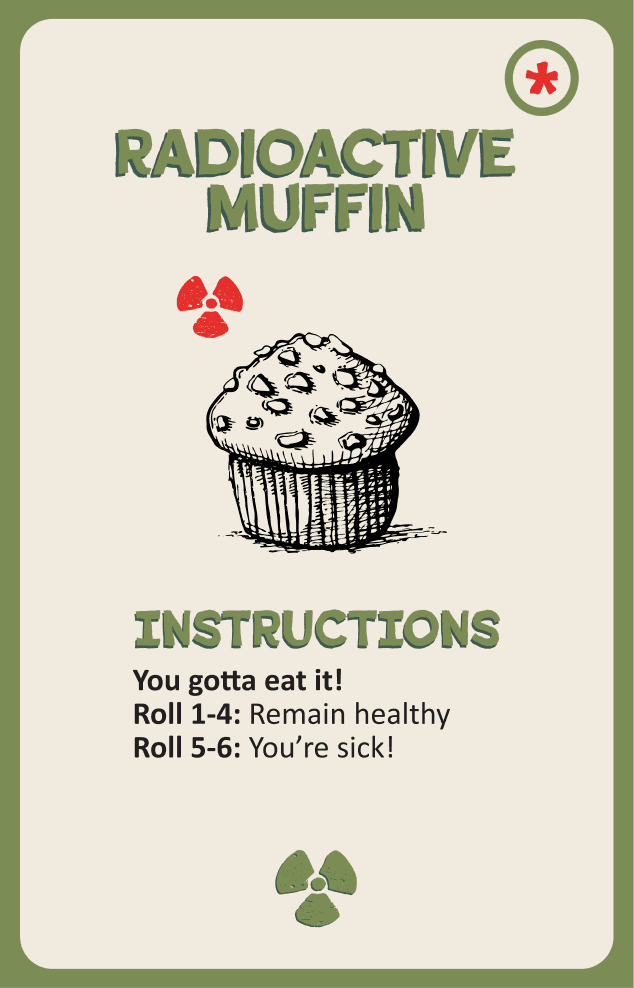
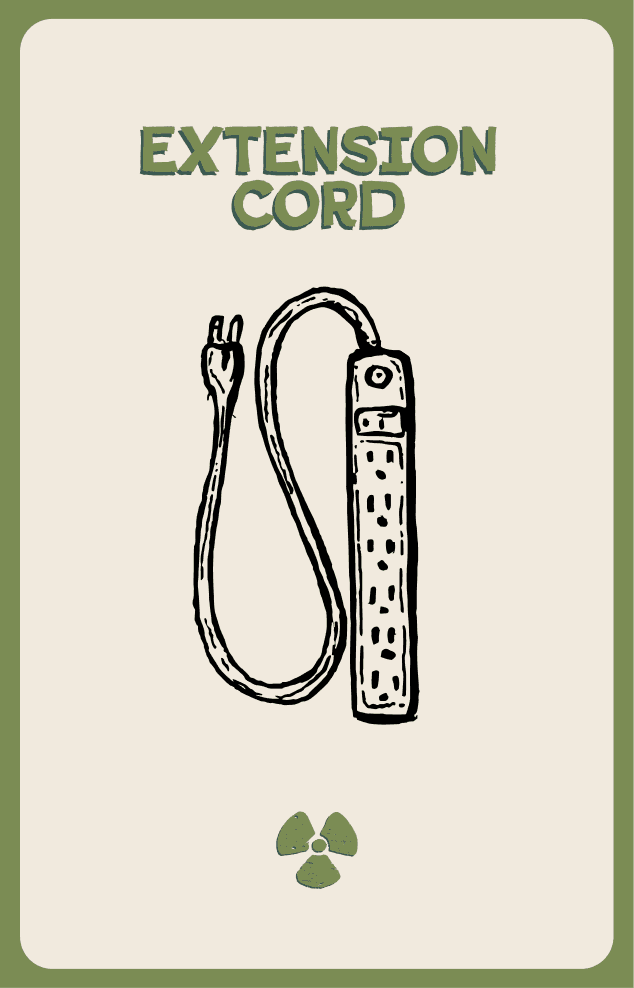
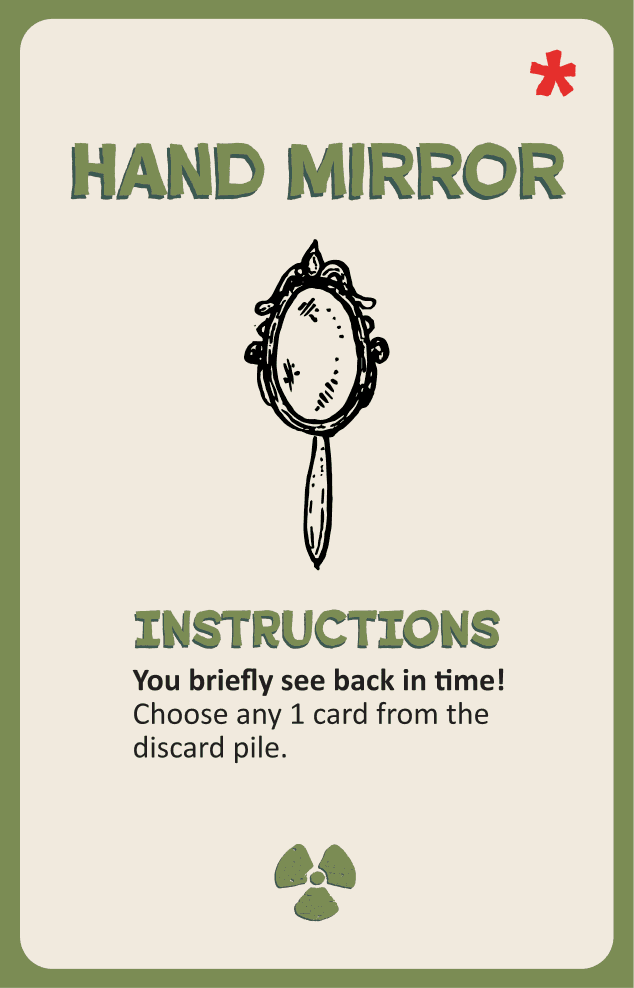
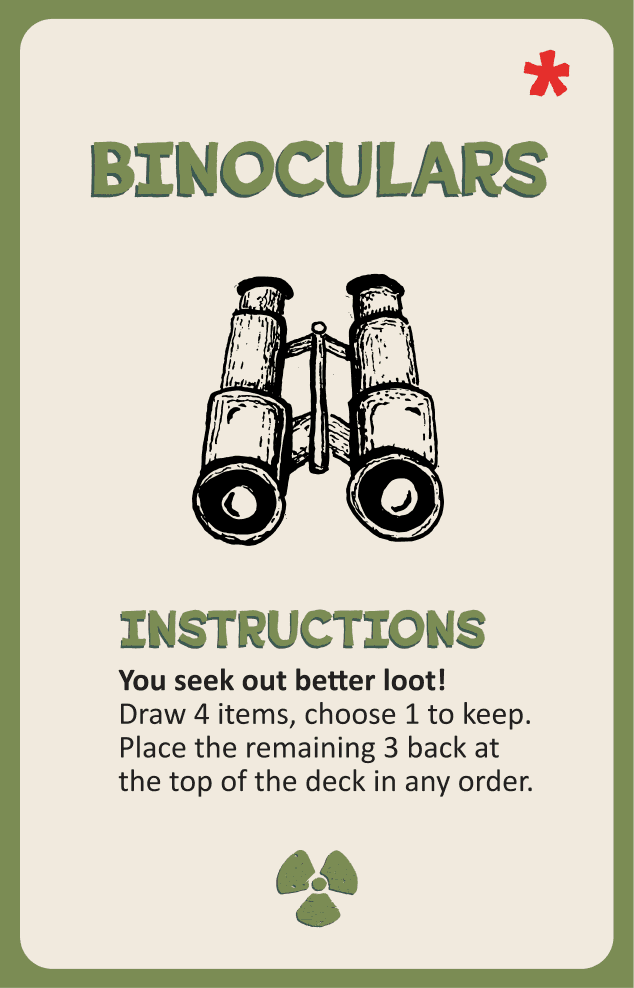
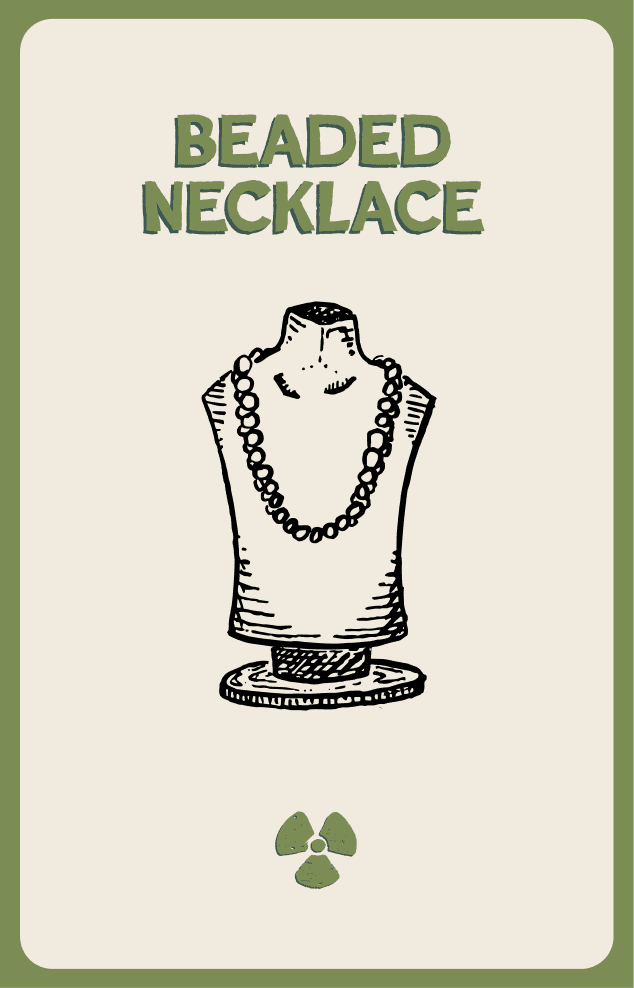
Each card needed to function as its own instruction set, communicating rules for that specific item or objective without a player needing to look anything up. Maximum clarity in minimum space. A clear typographic hierarchy solved this, giving every card a scannable structure that kept the game moving.
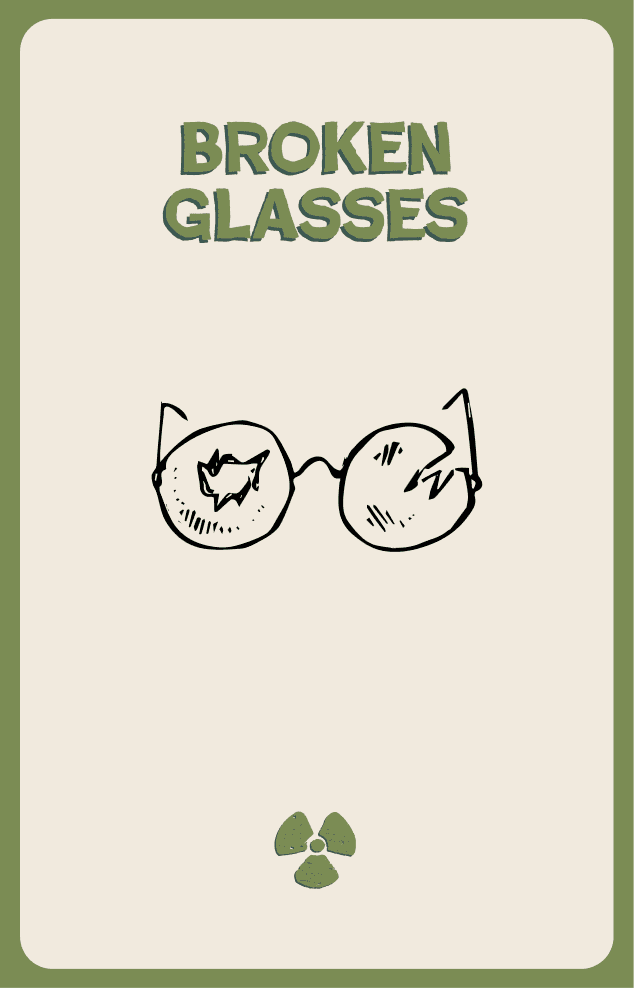
The visual identity took four prototype iterations to find. It clicked when custom illustration was introduced, with every card and character drawn by hand. The style landed naturally in the aesthetic the game was always reaching for: quirky, whimsical, and unmistakably apocalyptic.
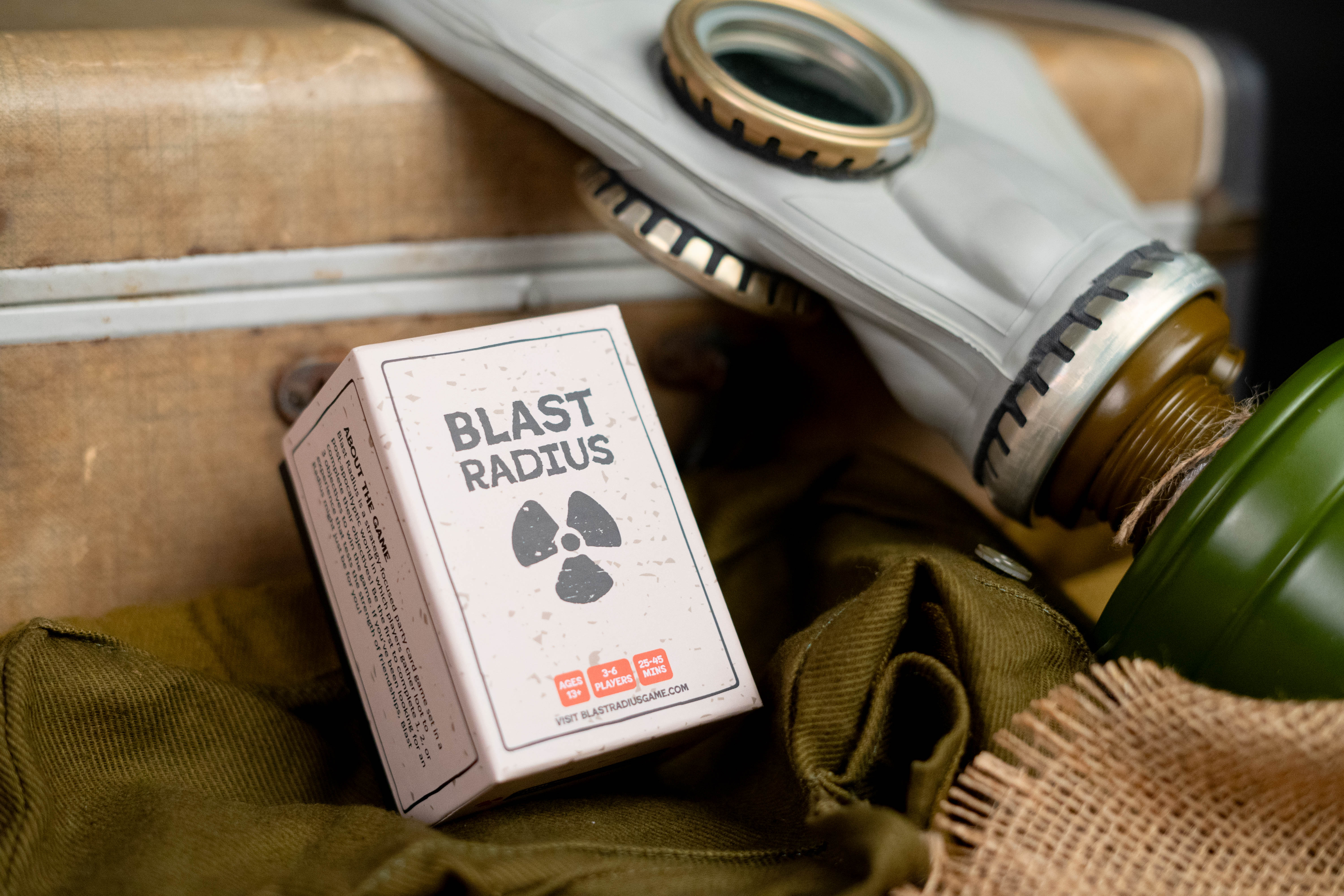
The final version was printed on eco-herbage cardstock, sustainably manufactured from waste plant material. The organic texture felt right for a post-apocalyptic world.
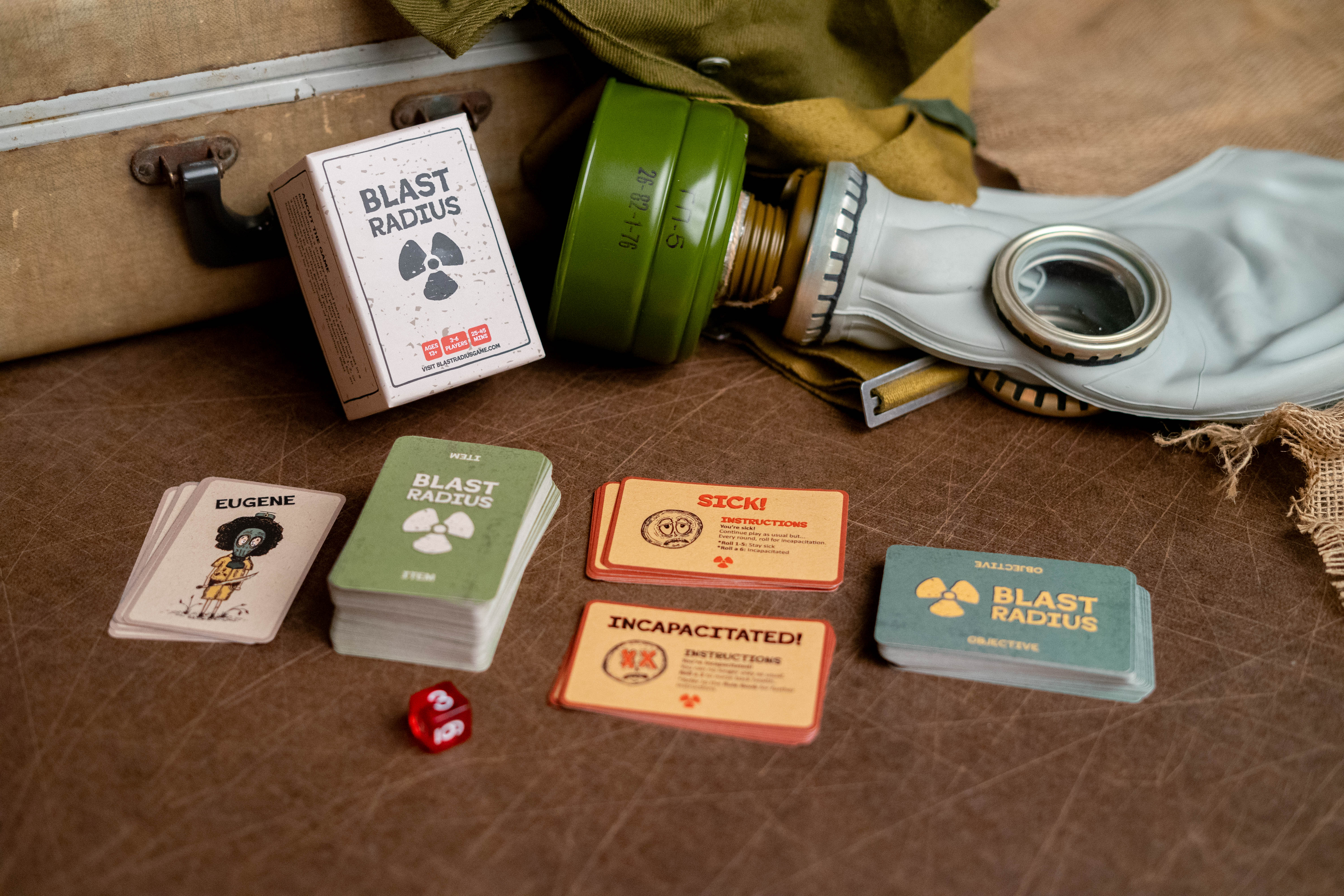
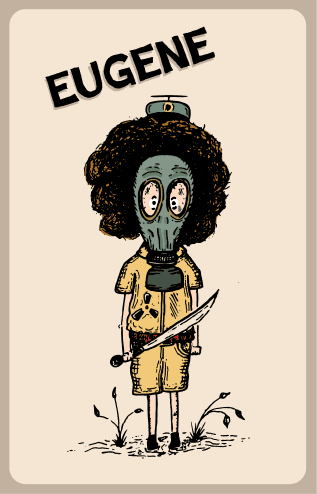
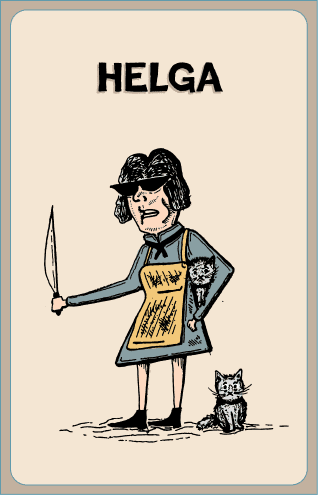
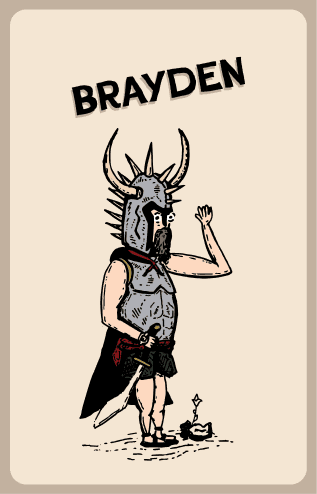
Each survivor in Blast Radius has their own unique special ability that changes the way each player approaches their strategy every game. This simple feature ensures that no two games of Blast Radius are the same
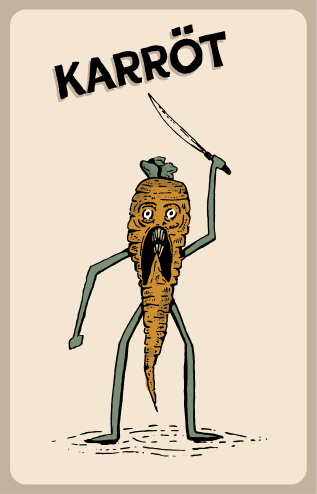
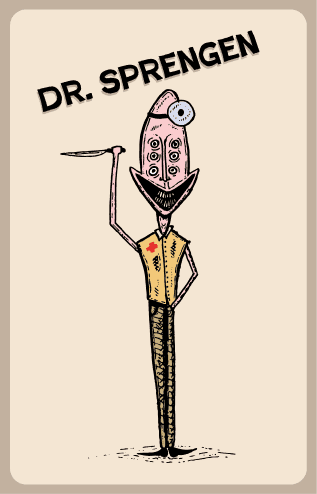
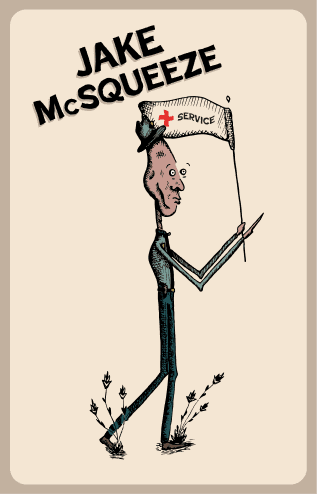
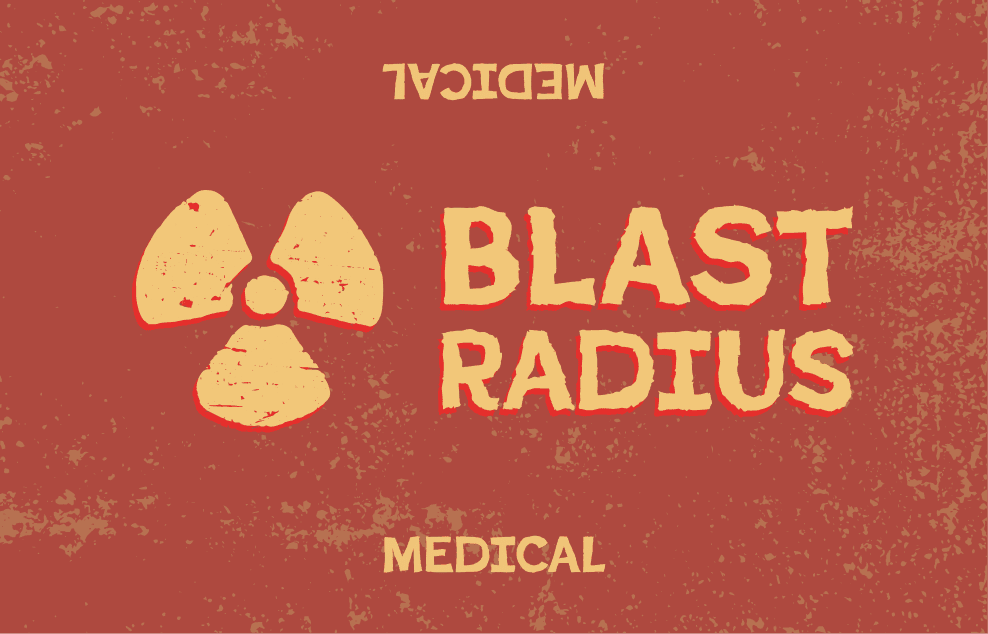
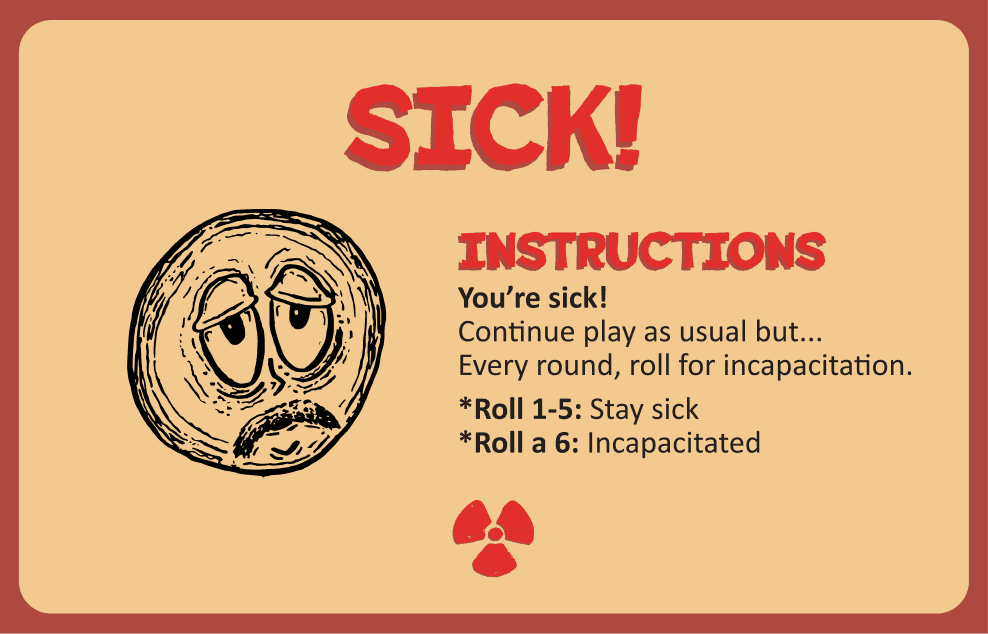
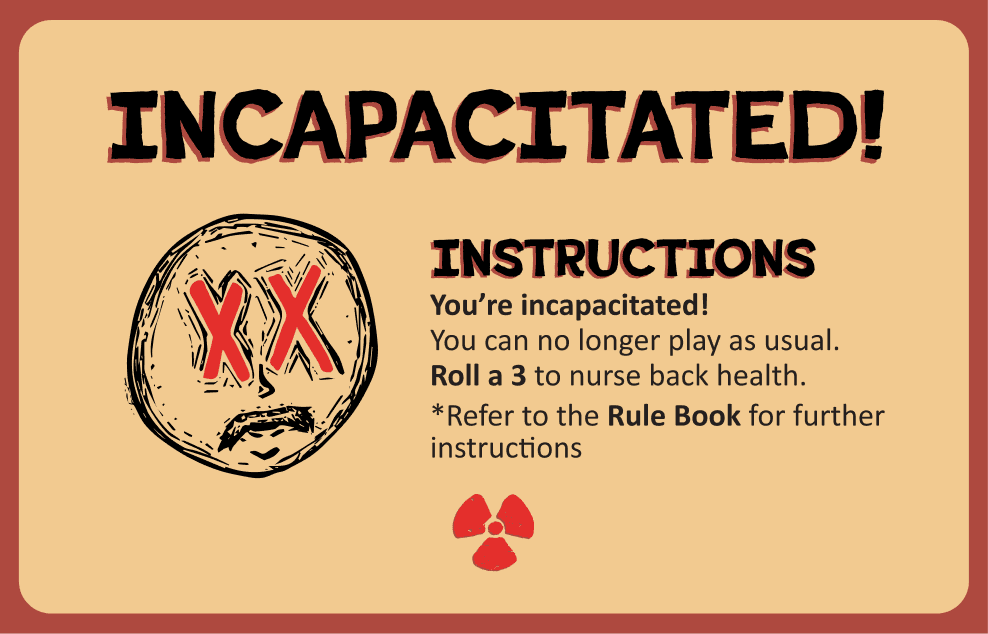
Medical cards describe the player state throughout a game. If the player is sick, they continue playing normally, but can no longer complete any objectives until they heal. If a player is incapacitated, they can no longer participate on their turn until they heal themselves or another player agrees to heal them.
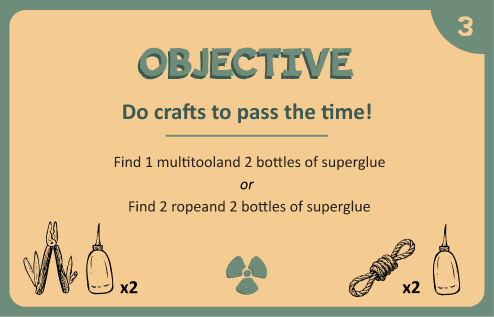
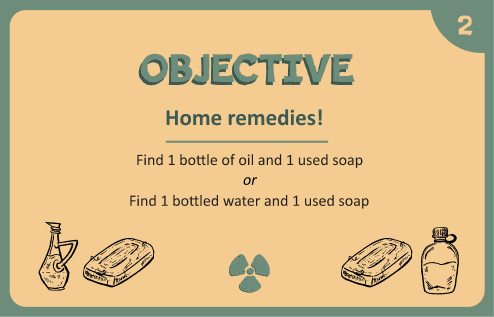
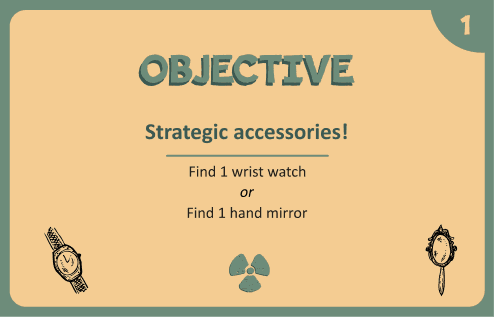
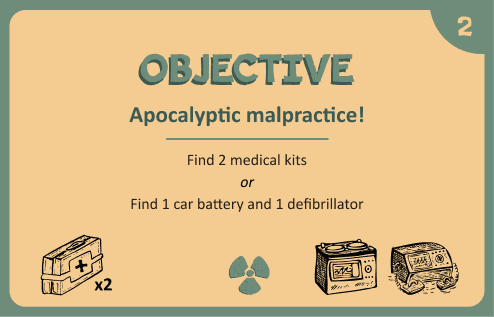
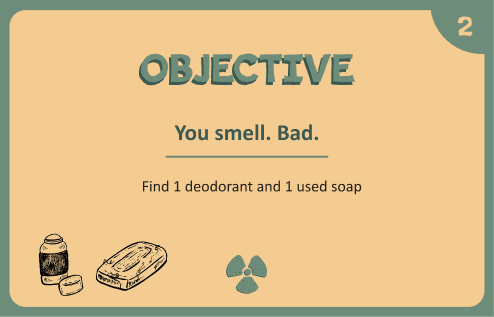
Objective cards indicate to the player what item cards they are trying to collect, all with a fun title and 1-2 options to add some variability.
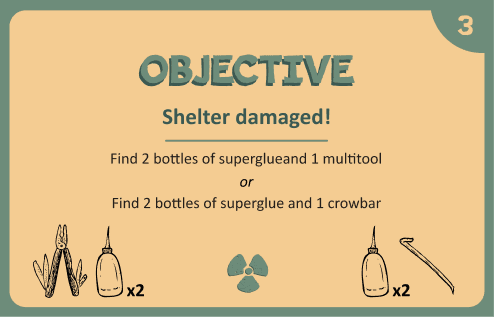
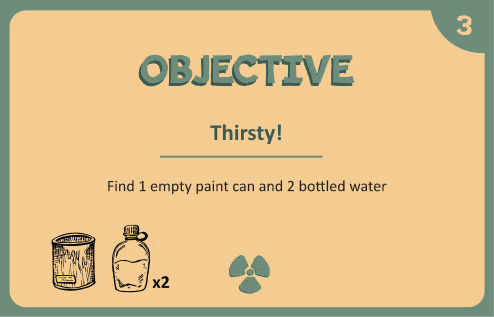
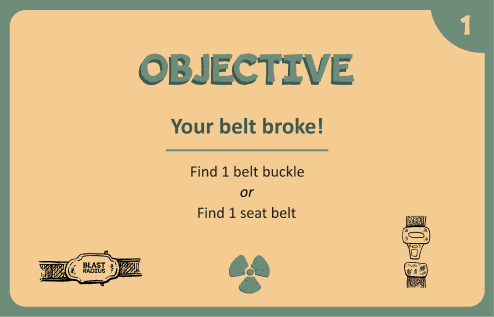
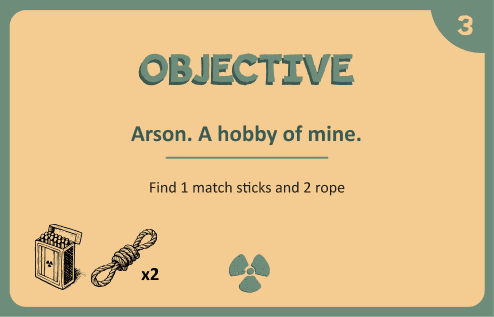
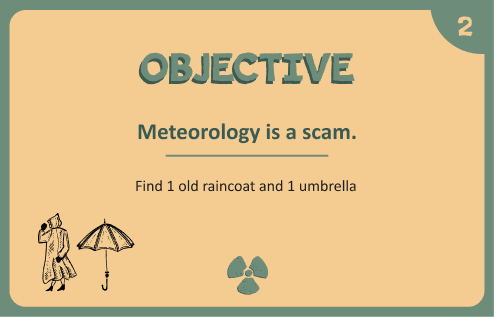
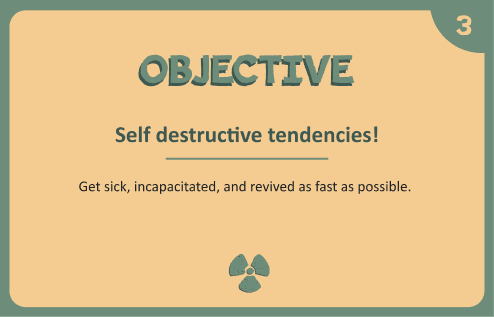
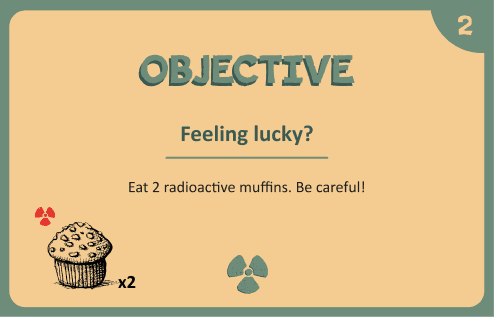
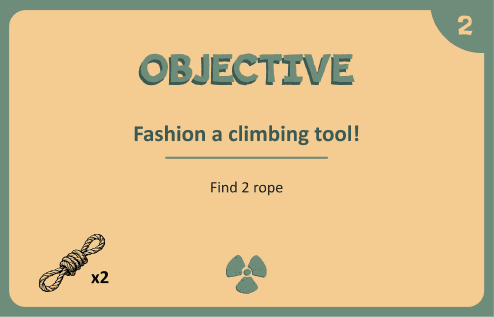
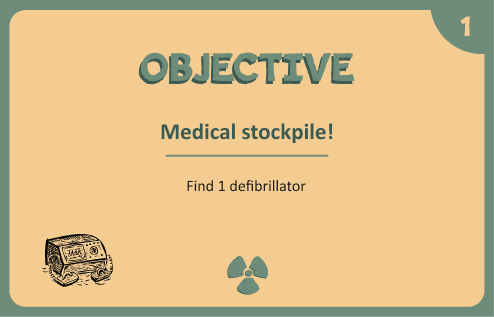
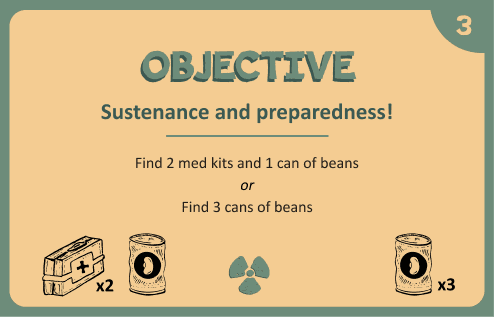
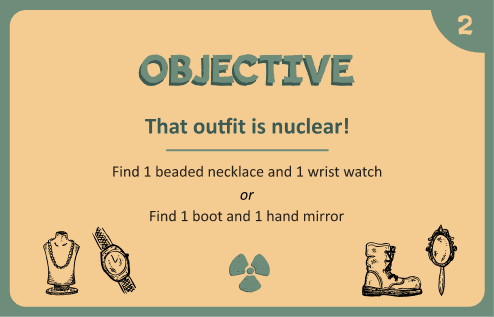
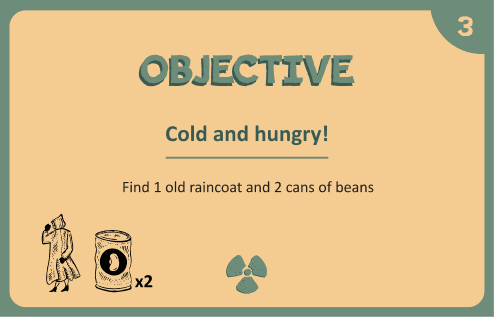
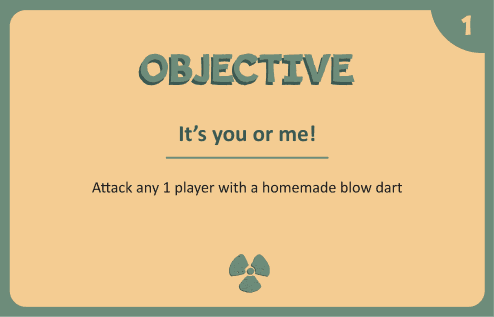
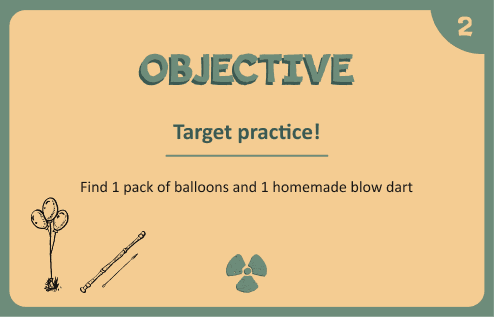
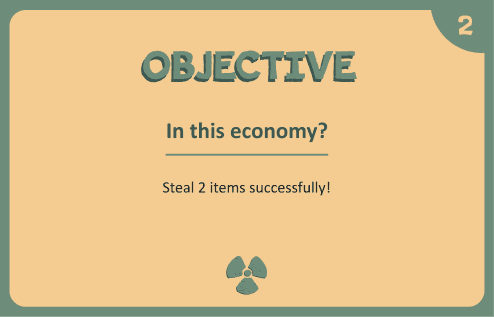
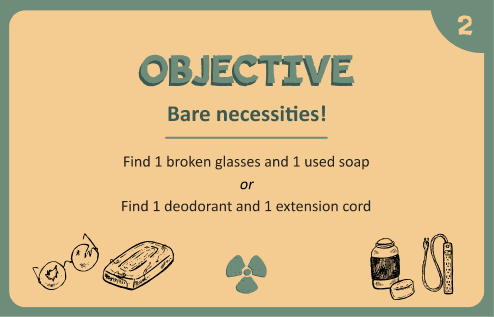
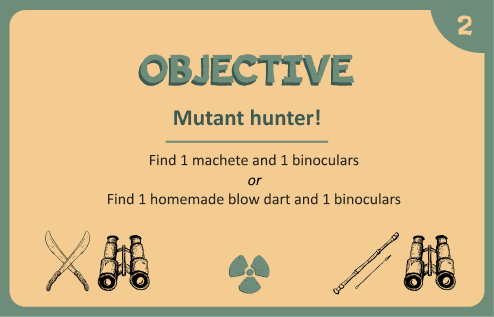
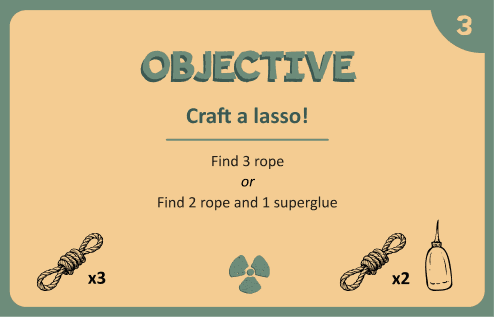
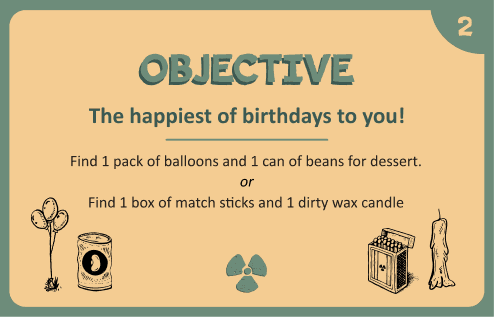
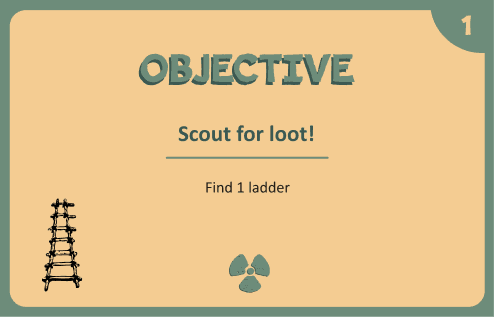
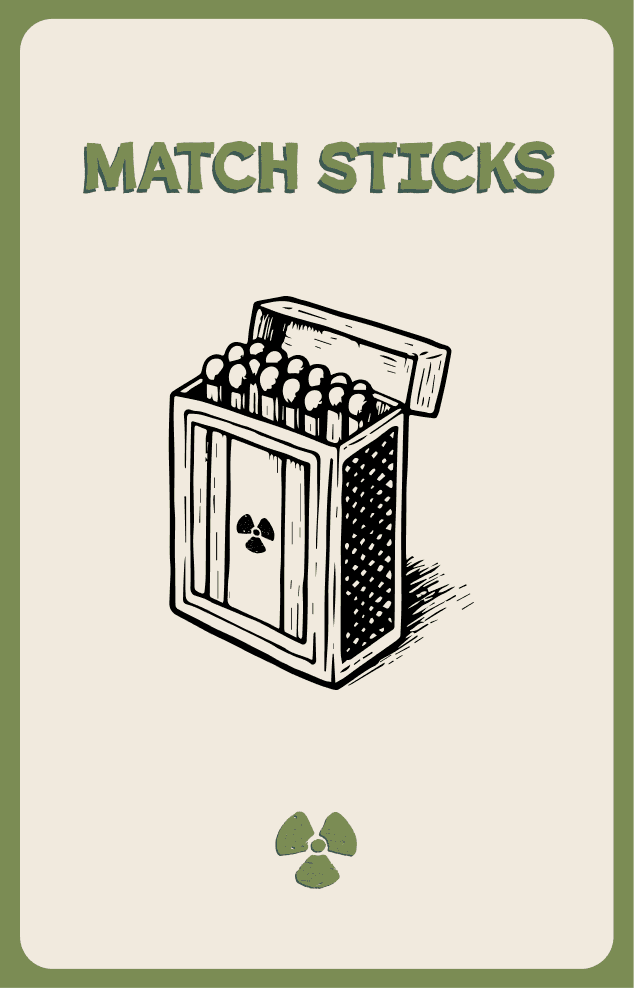
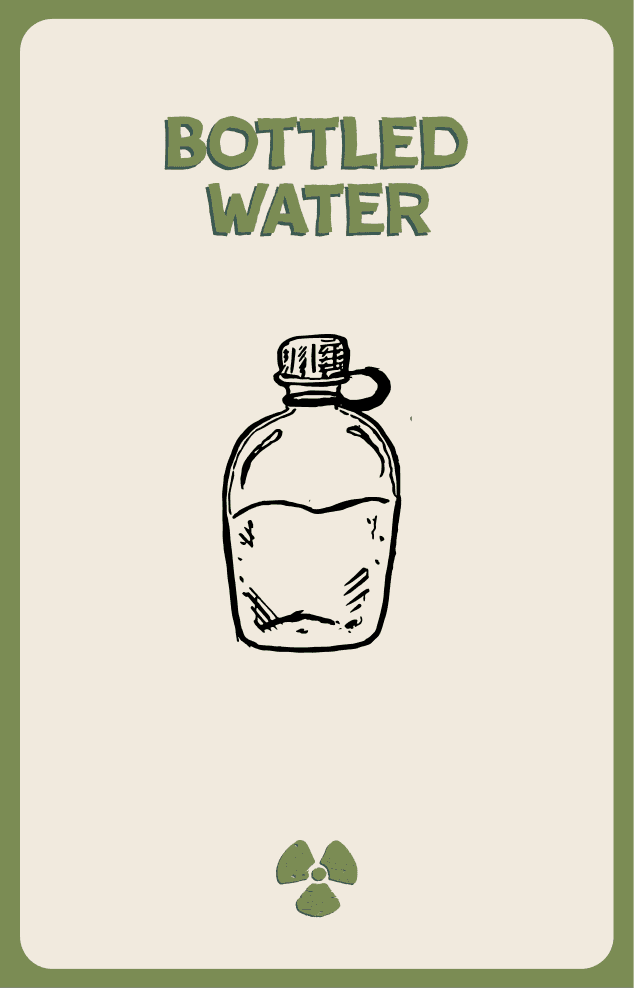
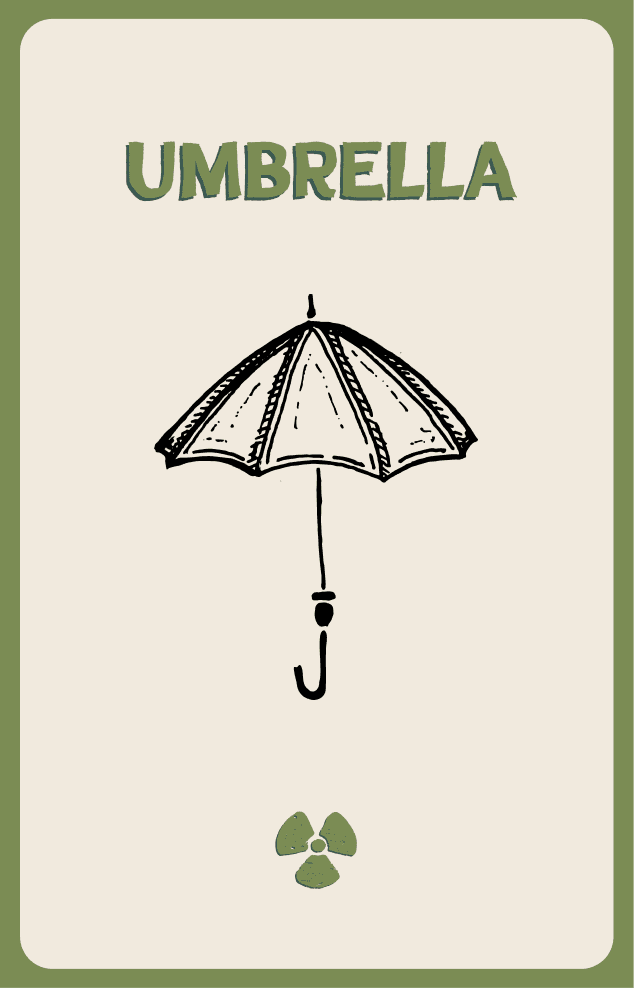
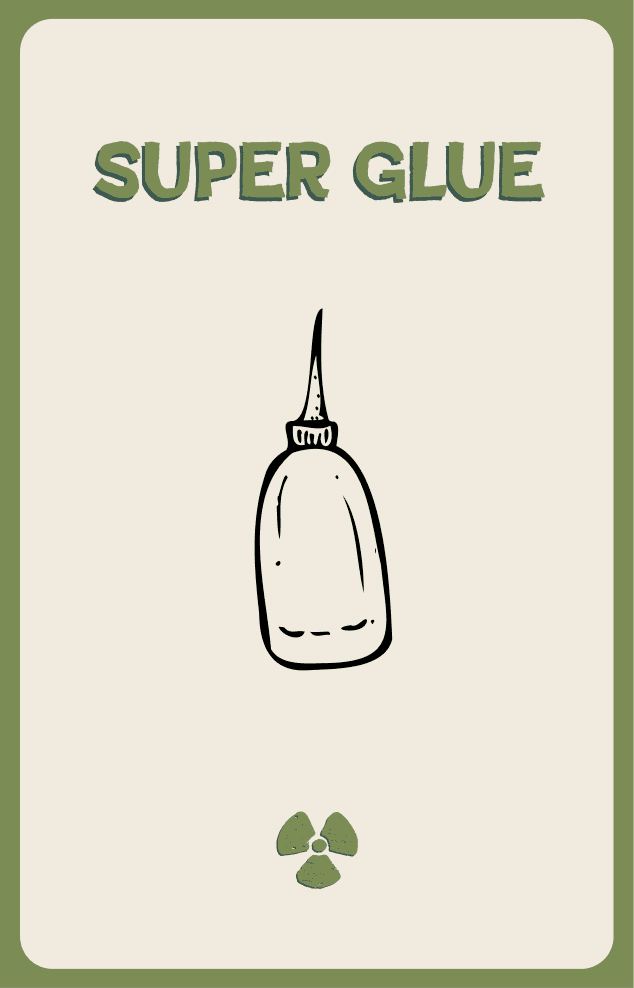
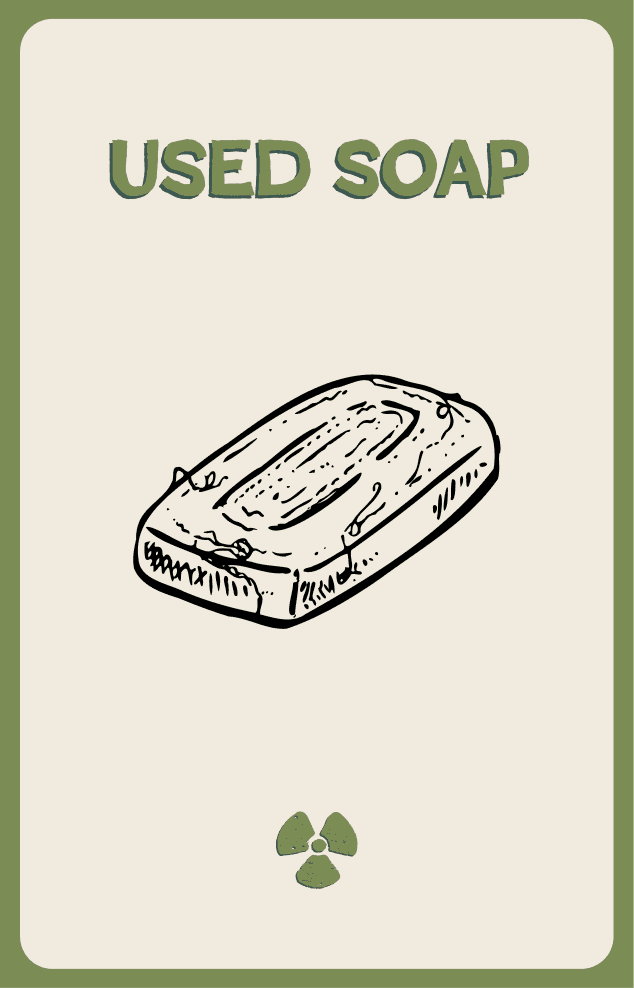
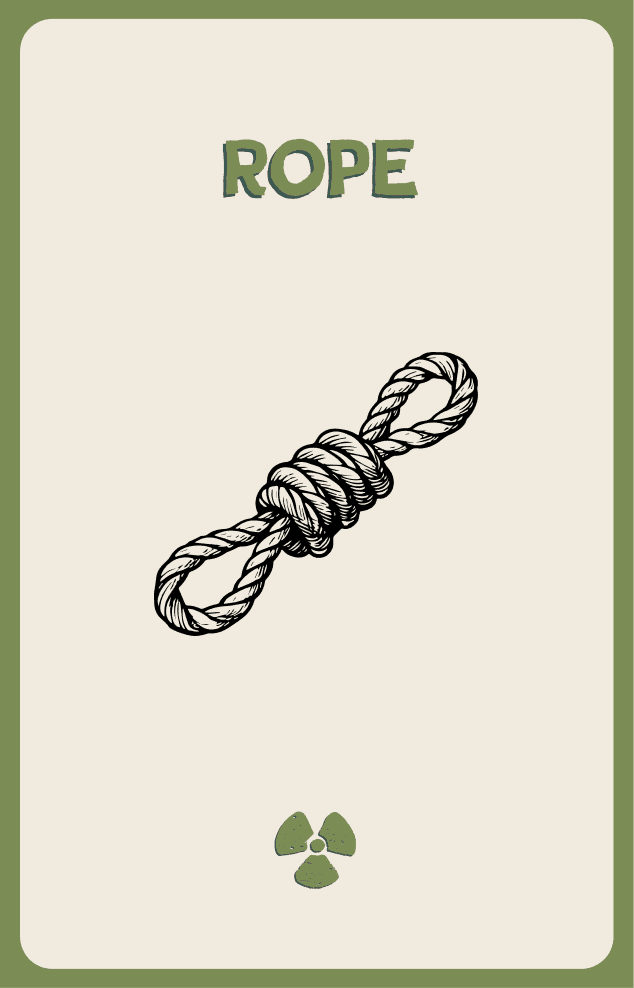
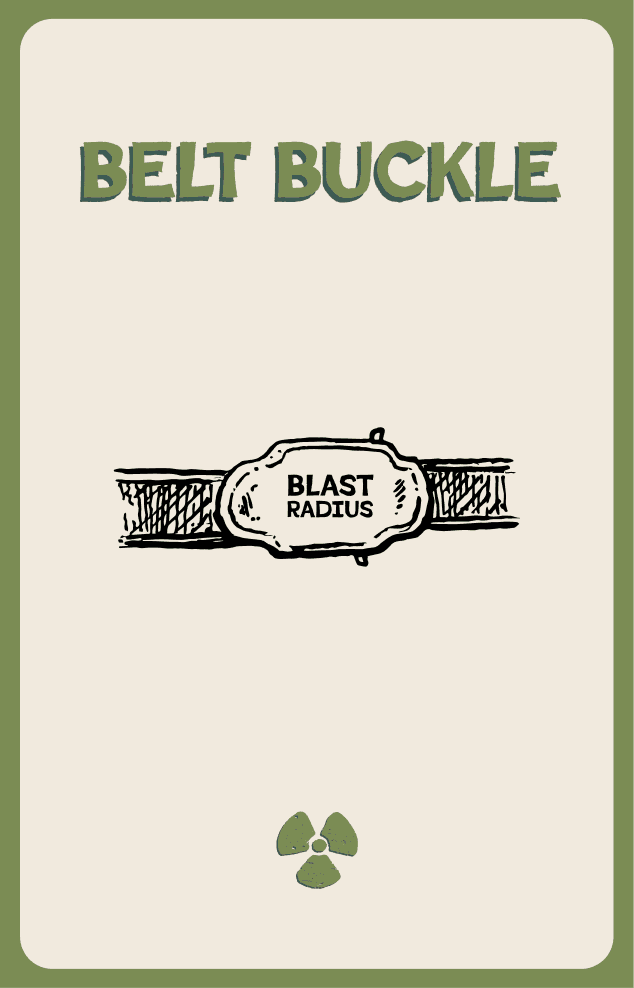
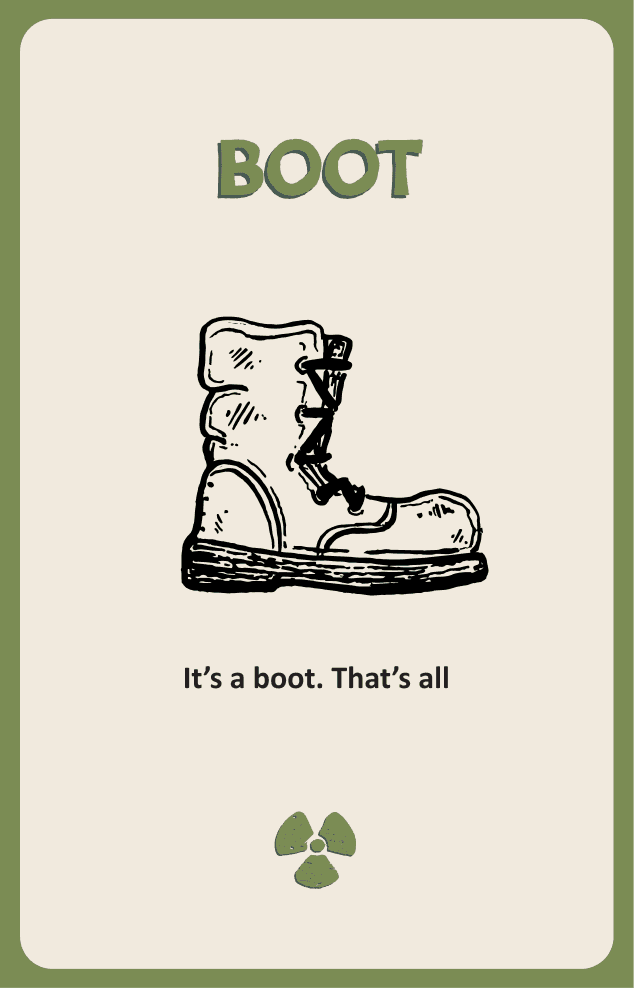
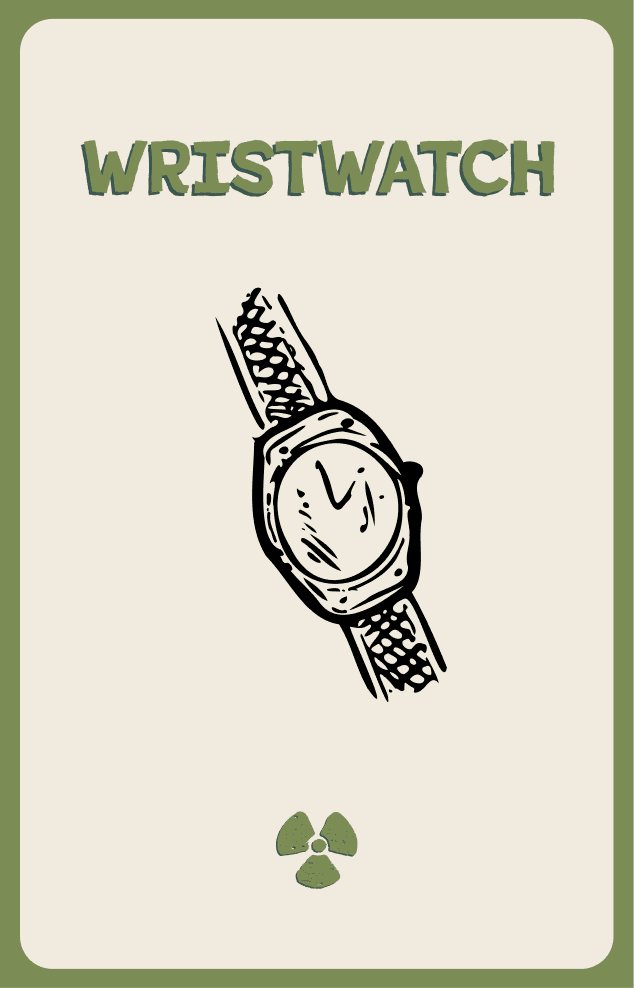
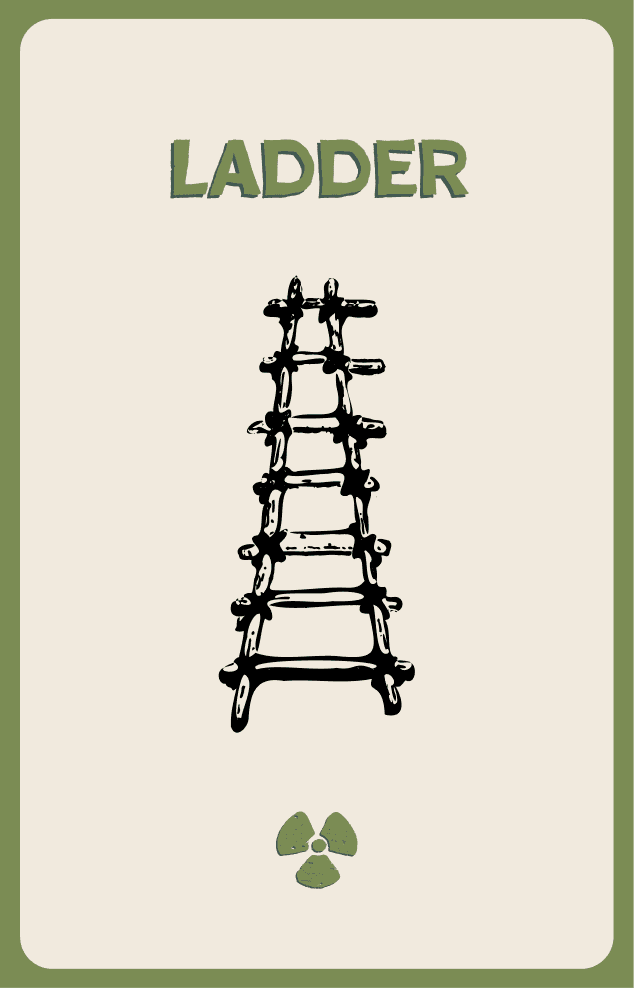
Item cards are the primary cards in the deck. They function primarily to satisfy objectives, but also to introduce player-to-player conflict. Players can attack each other, heal themselves or others, or choose to complete their objective on their turn
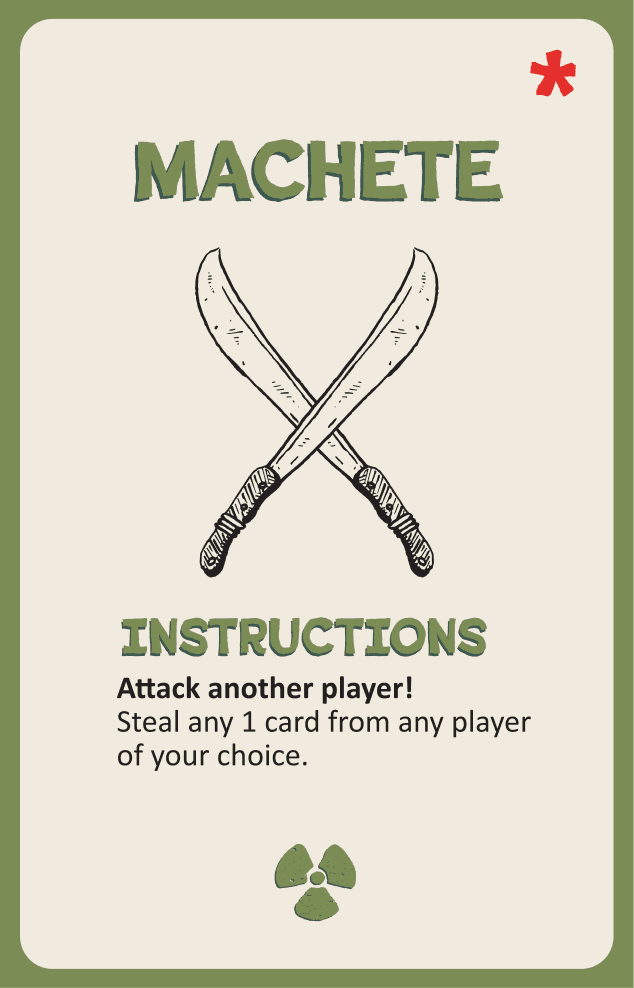
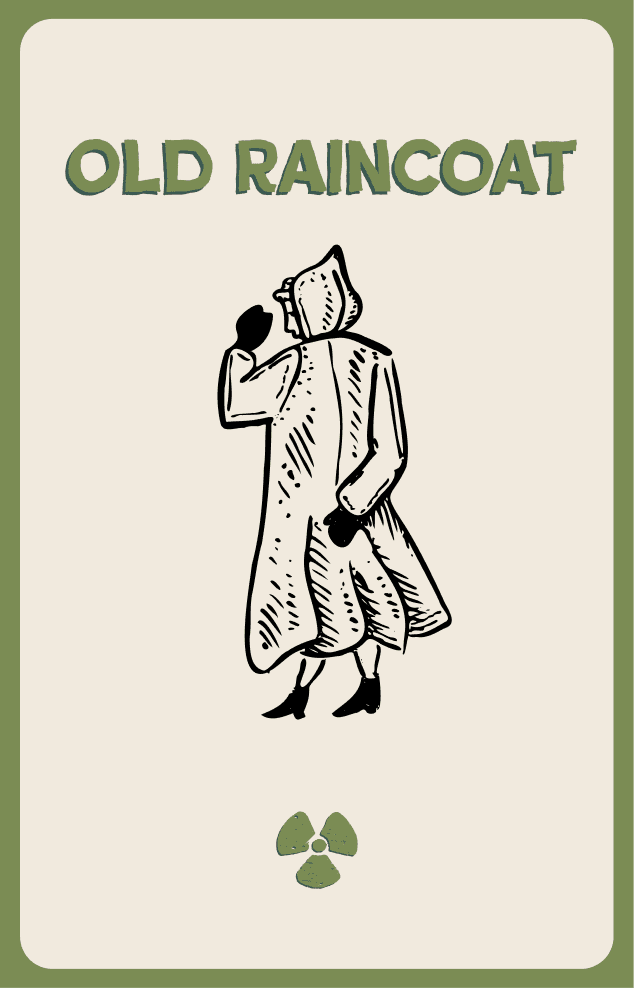
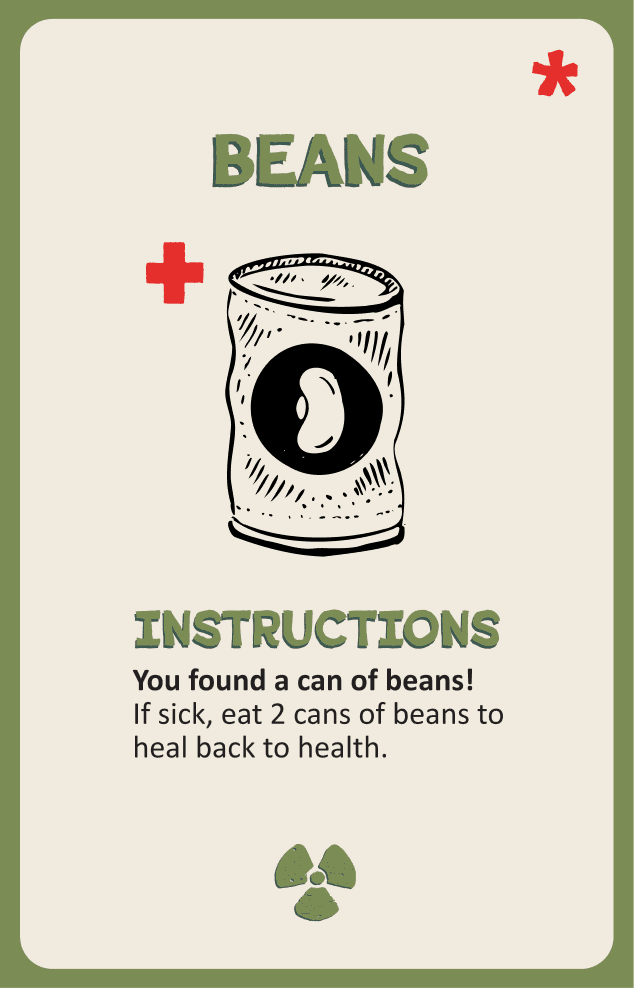
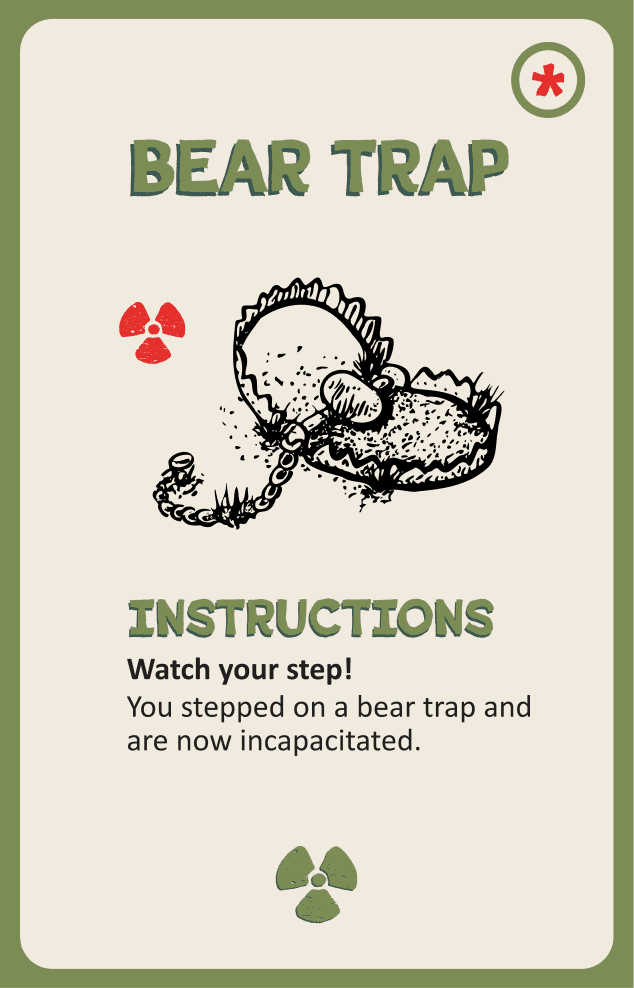
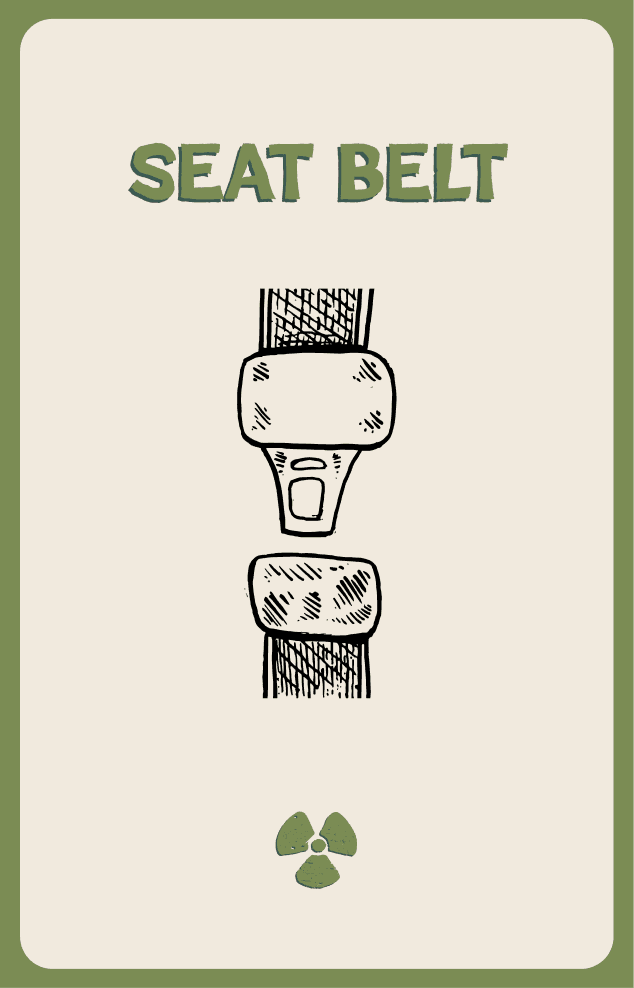
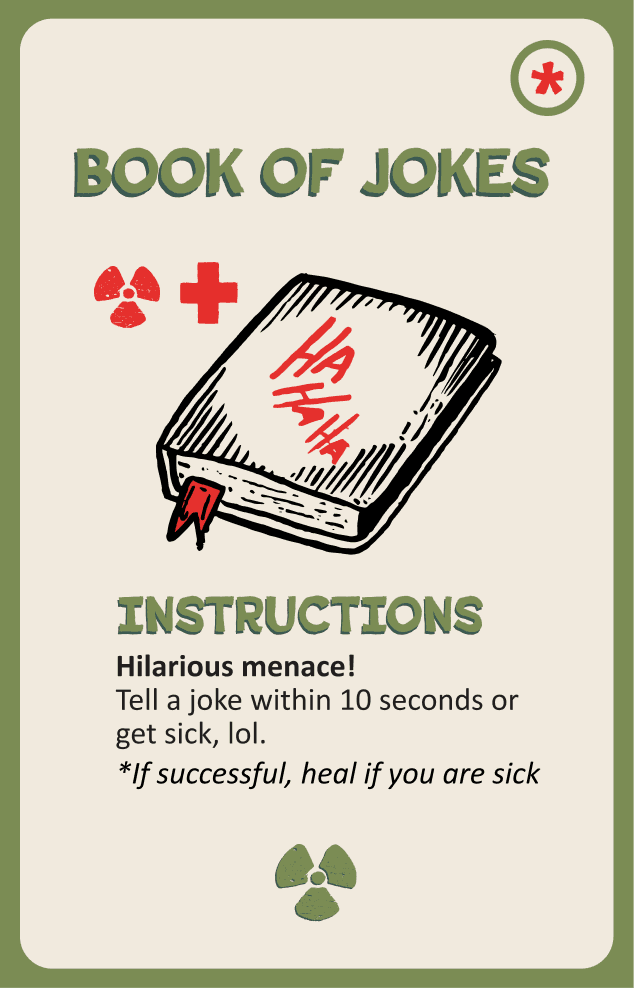
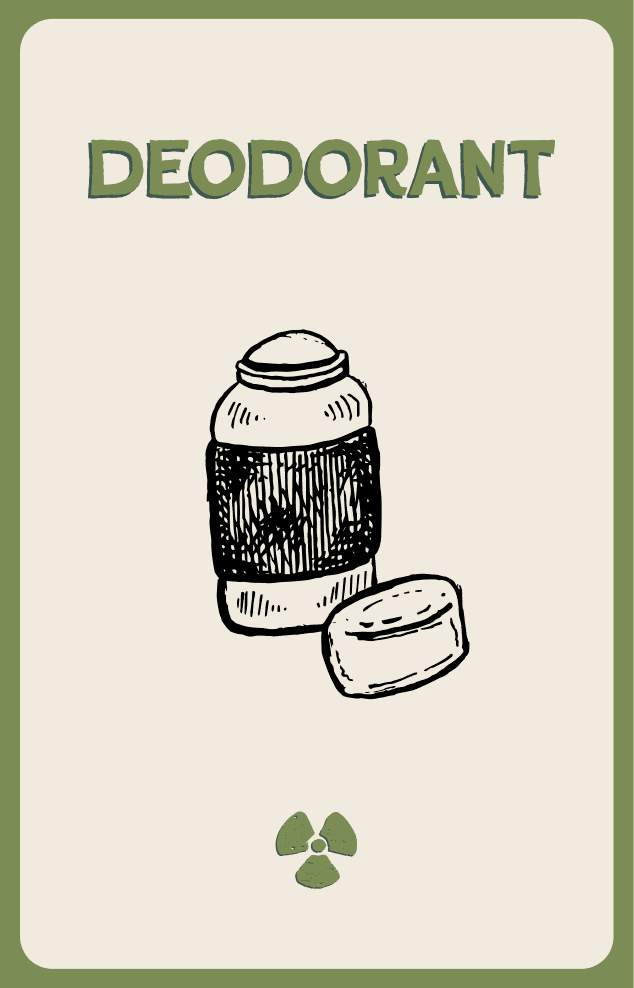
Blast Radius is intentionally chaotic, but early playtests revealed a critical tension: when players forgot turn phases or hesitated over options, the chaos stopped feeling exciting and started feeling confusing. The design challenge wasn't reducing complexity. It was making complexity navigable.
That led to a guiding principle: Visible Structure, Invisible Effort. Turn flow was simplified so players could internalize the rhythm without memorizing it. Card wording was tightened so outcomes were readable at a glance. Every structural change was evaluated against one question: does this keep the round moving?
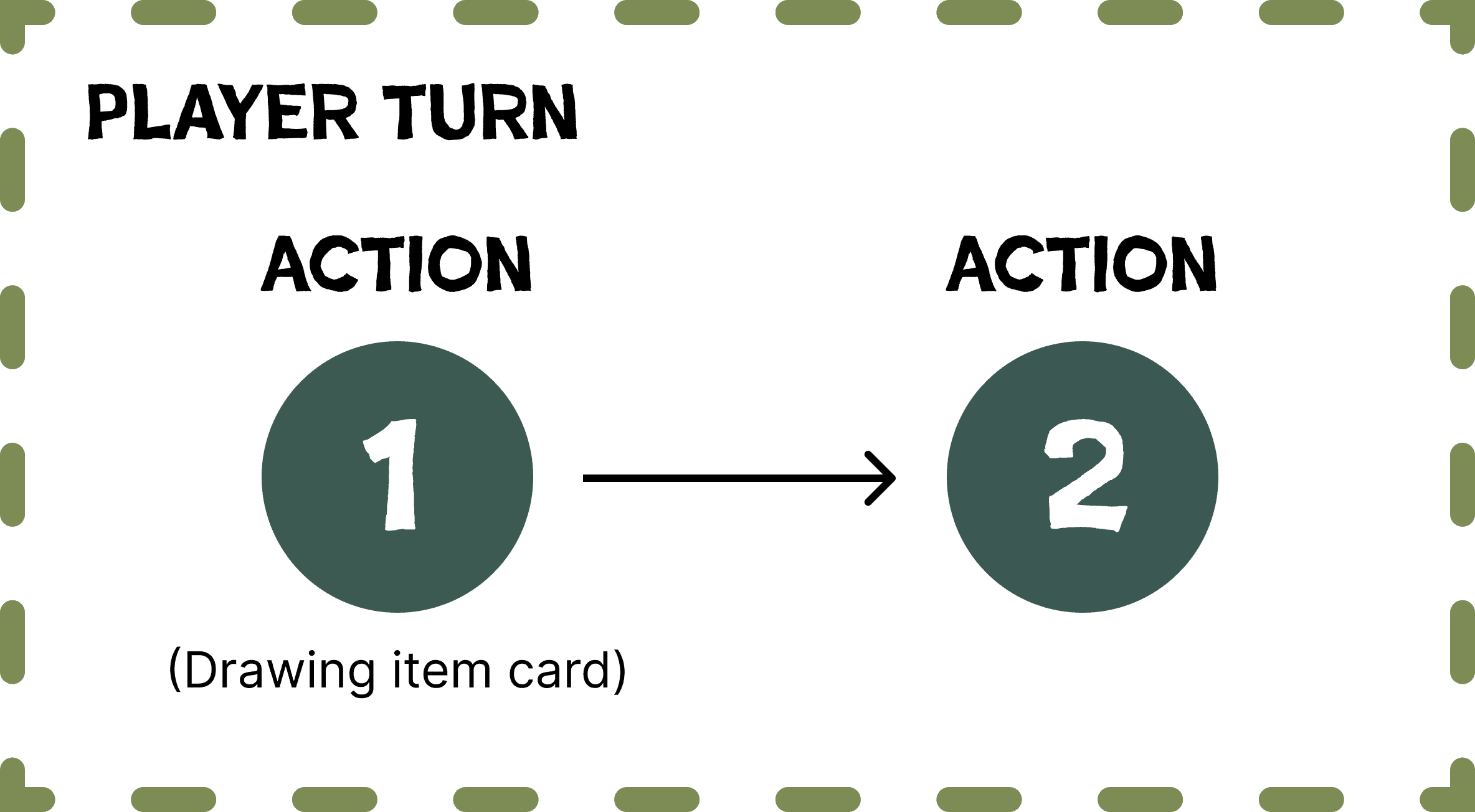
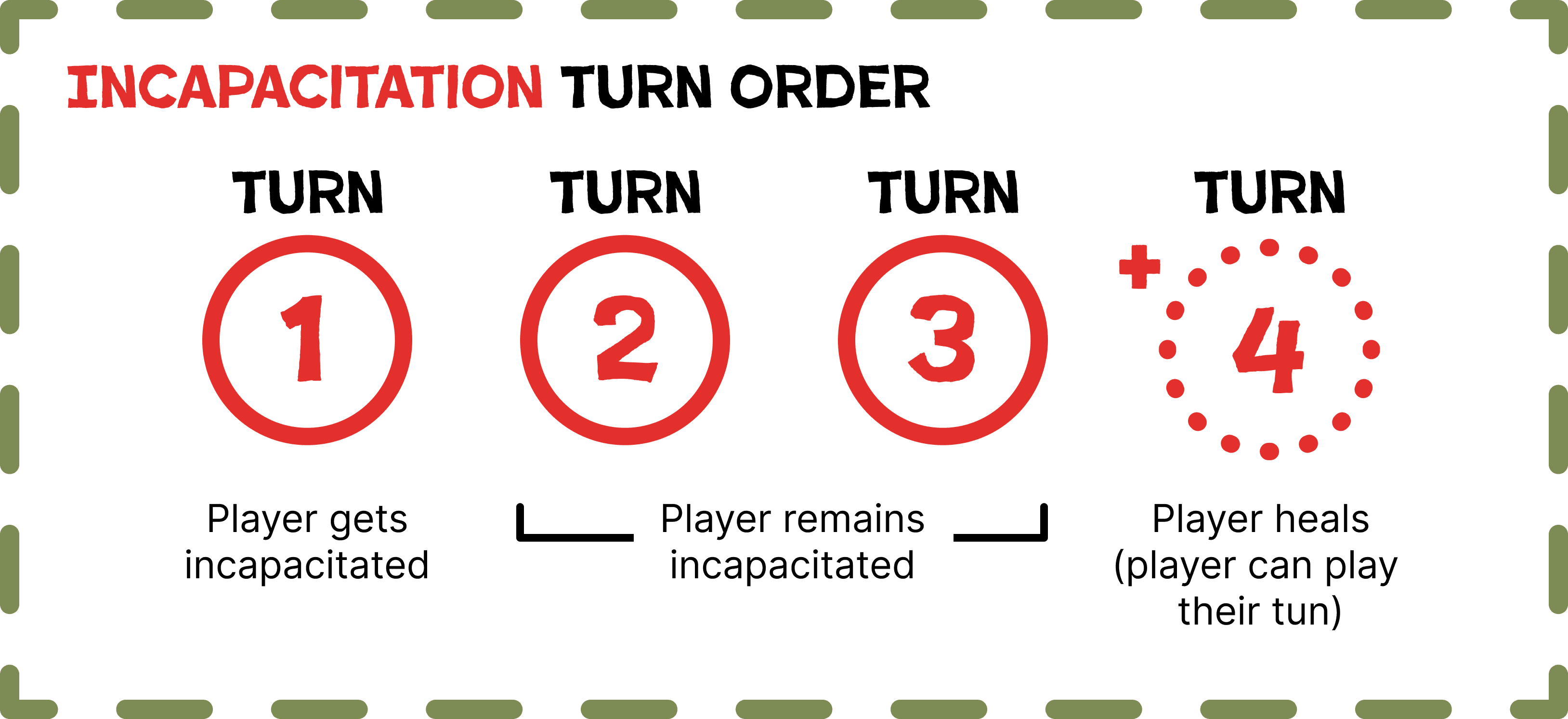
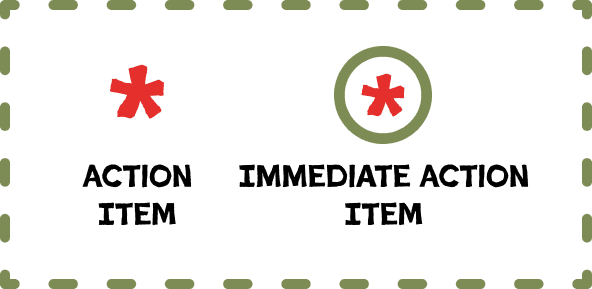
Playtesting ran across 30 people with a simple rule: no intervention. Players received the rulebook and prototype, taught themselves how to play, and filled out feedback forms while I observed. Confusion had to surface naturally to be worth fixing.
Two changes had the biggest impact. Reducing the hand limit from six cards to five prevented hoarding and kept objectives in play. Making incapacitation recovery easier kept sidelined players engaged rather than waiting out long stretches with nothing to do.
Blast Radius started as a course assignment with a clear design principle from day one: agency over randomness. The first version was handwritten notecards, rough enough to test the core loop but nothing more. That loop has stayed intact ever since: draw a card, then choose your action. Use an item, complete an objective, or trade with another player.
Early decisions defined the system. Replacing player elimination with temporary incapacitation kept sidelined players engaged. Allowing objective trading introduced negotiation as a strategic layer. Both choices kept agency at the center even as the game actively threw chaos at players.
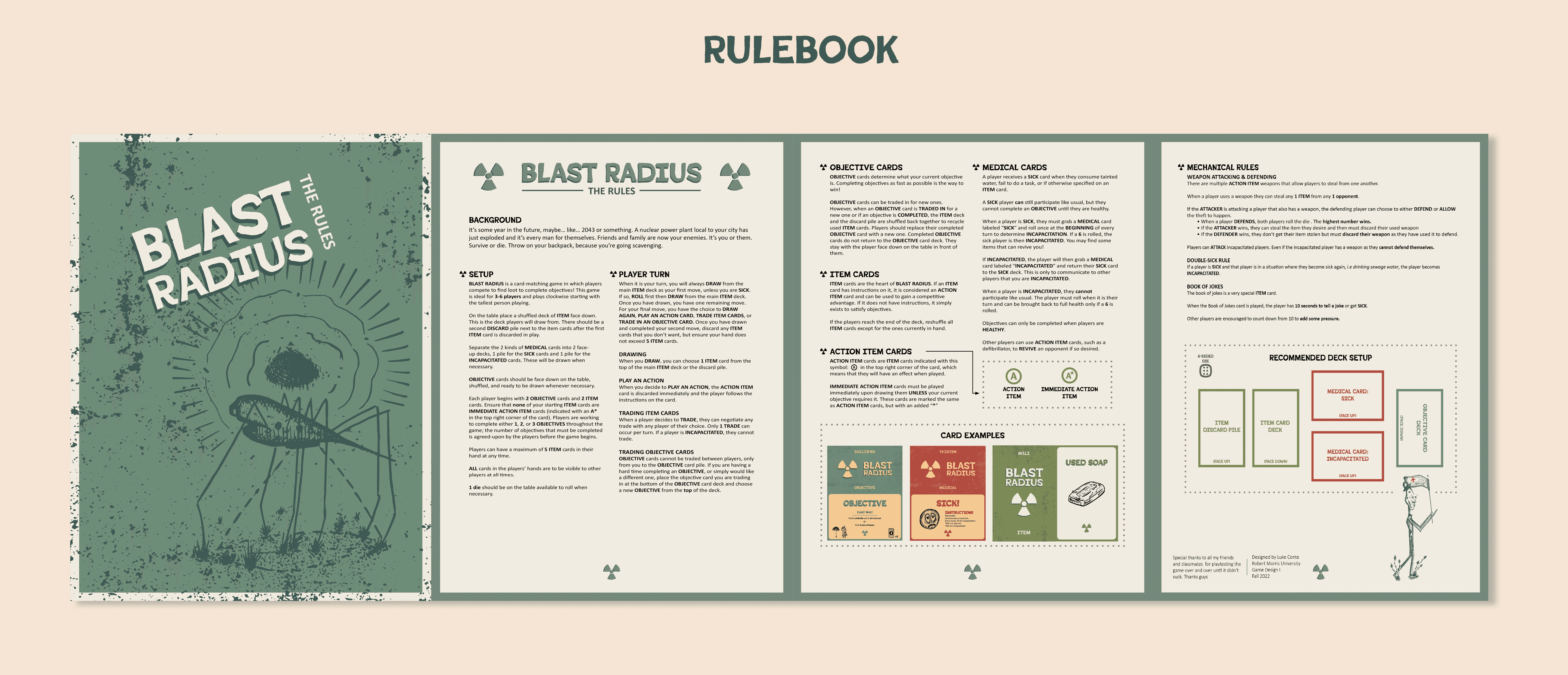
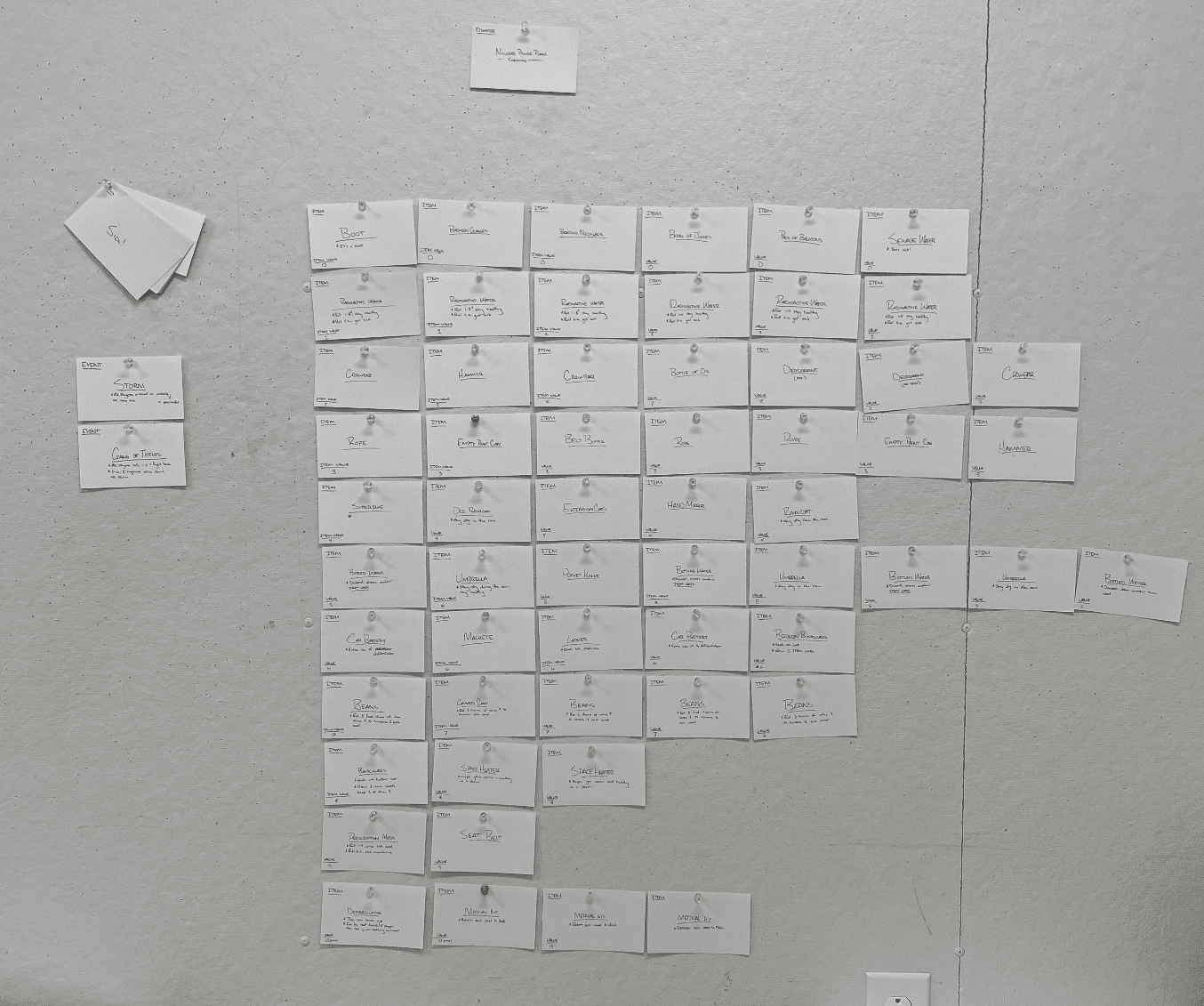
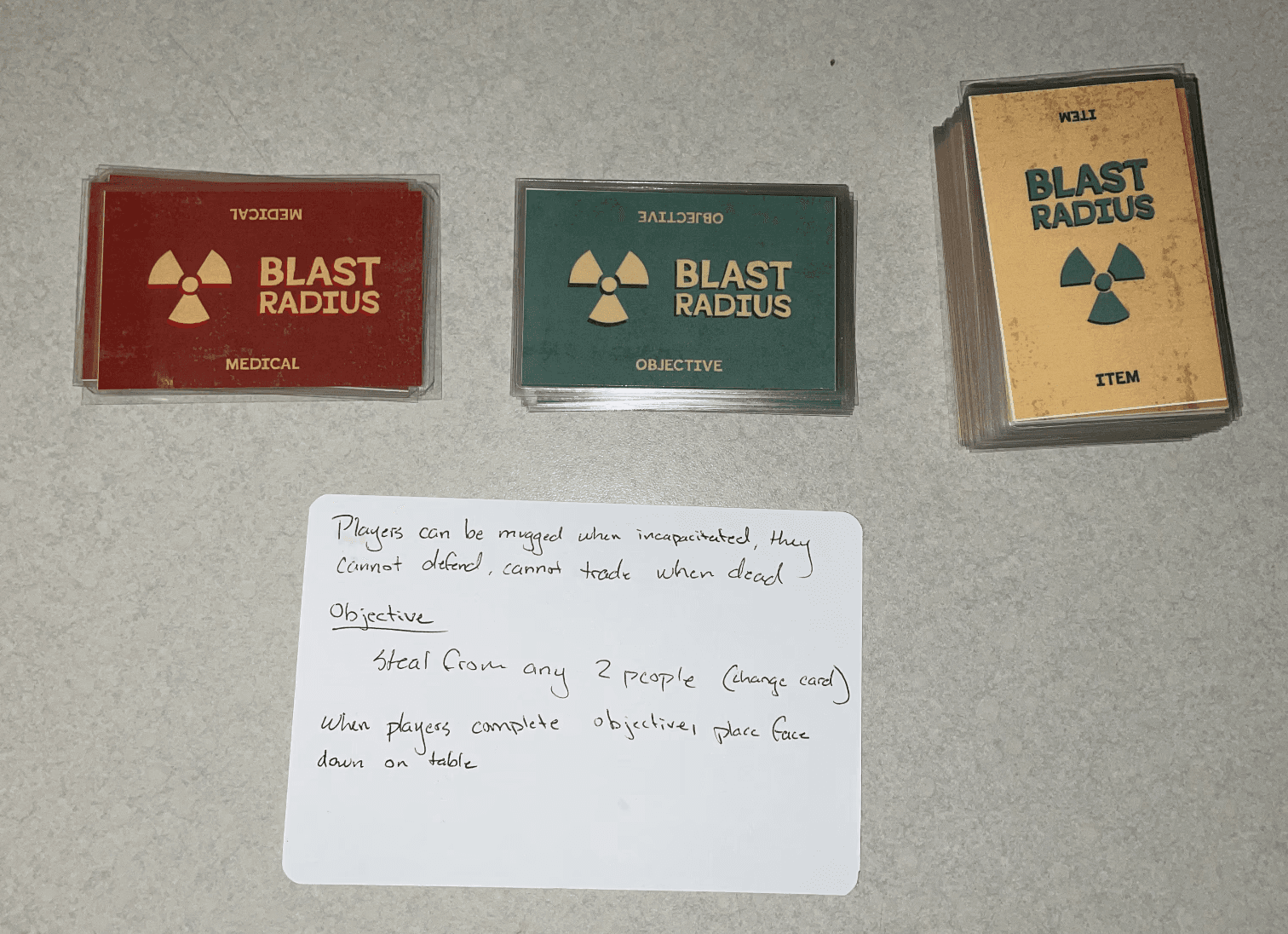
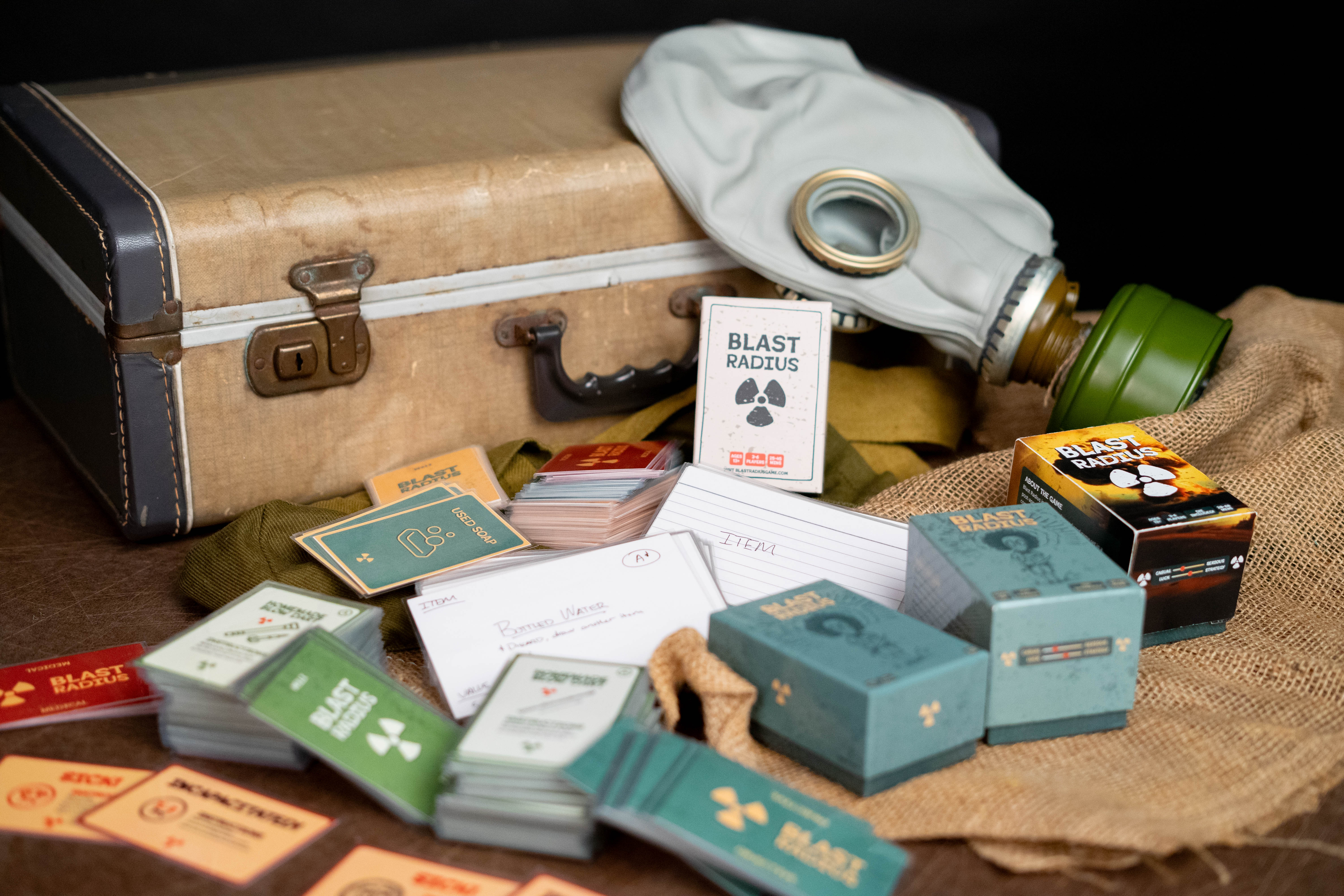
Prototypes 1 and 2 - Index cards and hand-cut laminated cards respectively
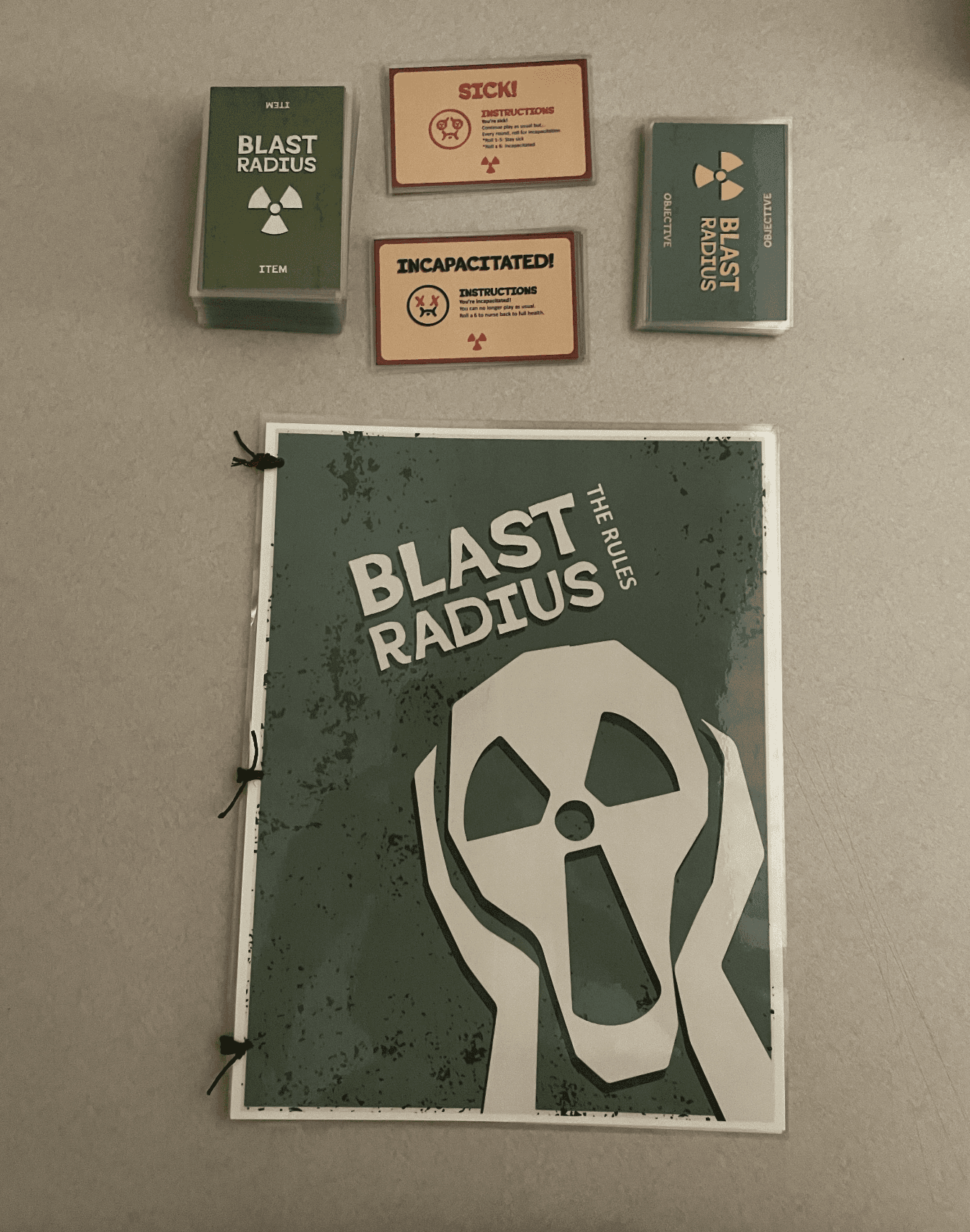
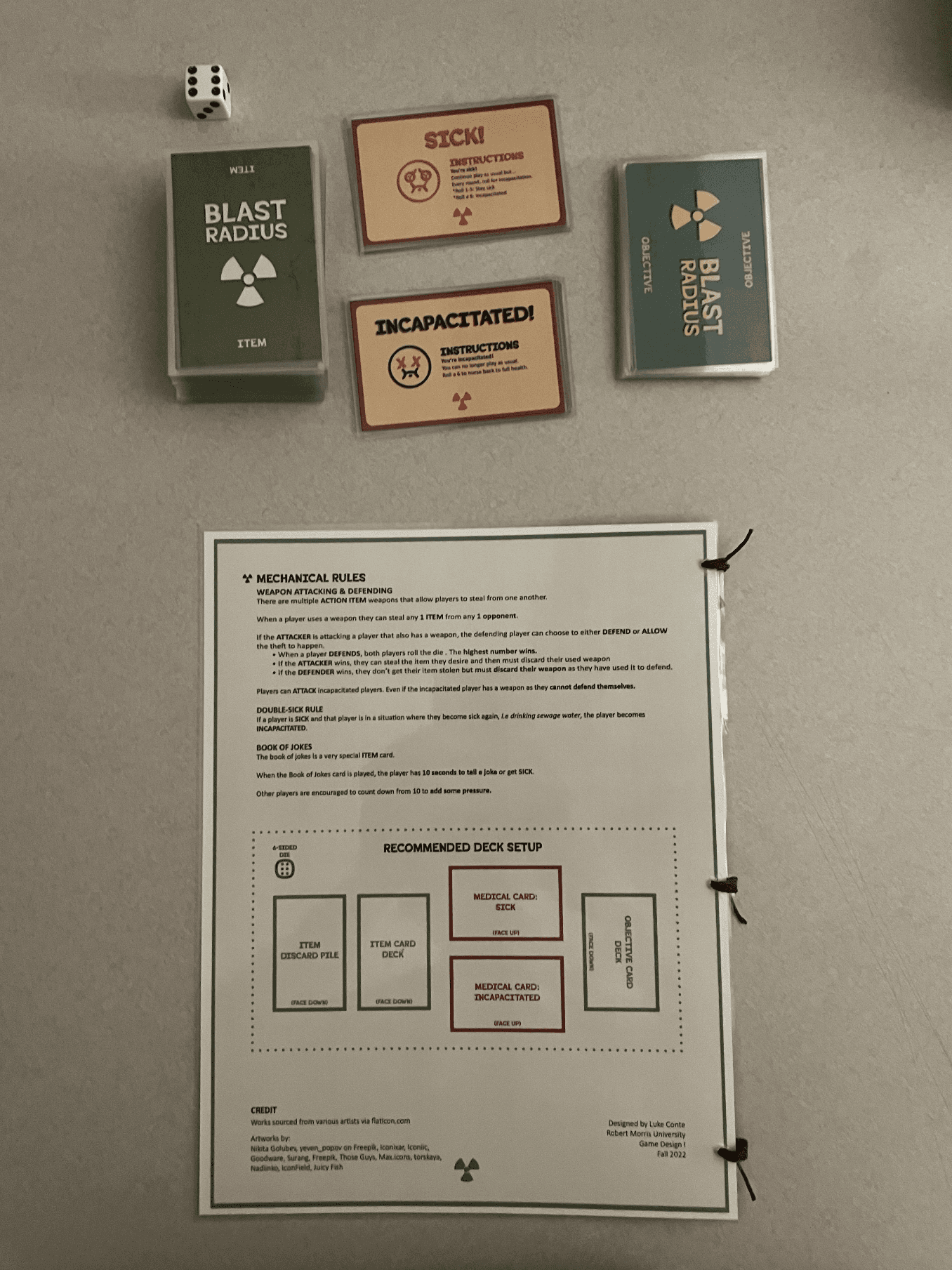
Prototype 3 and Rulebook Prototype 1 - Laminated cards w/ updated design